
Quick Navigation
- The Ocean's Copepods Are Getting Leaner
- What Copepod Nutritional Value Actually Means
- Why Copepod Nutritional Value Changes Inside Your Tank
- What Affects Copepod Nutritional Value: Ocean vs Reef Tank
- Live Phytoplankton: Feeding the Food
- Fresh Live Copepods and Why Condition on Arrival Matters
- Protecting Copepod Nutritional Value With Shelter
- Which Fish Feel the Difference Most
- Signs Your Pods Are Well Fed
- Culturing Your Own: Copepod Nutritional Value Starts With the Algae
- What the Ocean Is Telling Us
- FAQs
If you keep a mandarin, a scooter blenny, a leopard wrasse or a tank full of hungry LPS, you probably think about copepods in terms of numbers. How many do I add? How often? Are there enough left on the glass at night? Those are good questions, but this week a piece of ocean science reminded me of the question that sits underneath all of them, and it is the one I spend most of my working day on: copepod nutritional value. A copepod is not automatically a good meal. What it is worth to your fish depends almost entirely on how much fat and how many of the right fatty acids it is carrying when it gets eaten.
I have been culturing copepods, rotifers and phytoplankton here in Wales for 18+ years, and if there is one thing that time has taught me it is that the animal is only half the story. The other half is what it has been eating, how it has been grown and how long it has gone without food before it reaches your tank. So when scientists on the other side of the Atlantic started publishing evidence that wild copepods are getting leaner, I read it as a story about every reef tank in the country, not just about whales and herring.
The Ocean's Copepods Are Getting Leaner
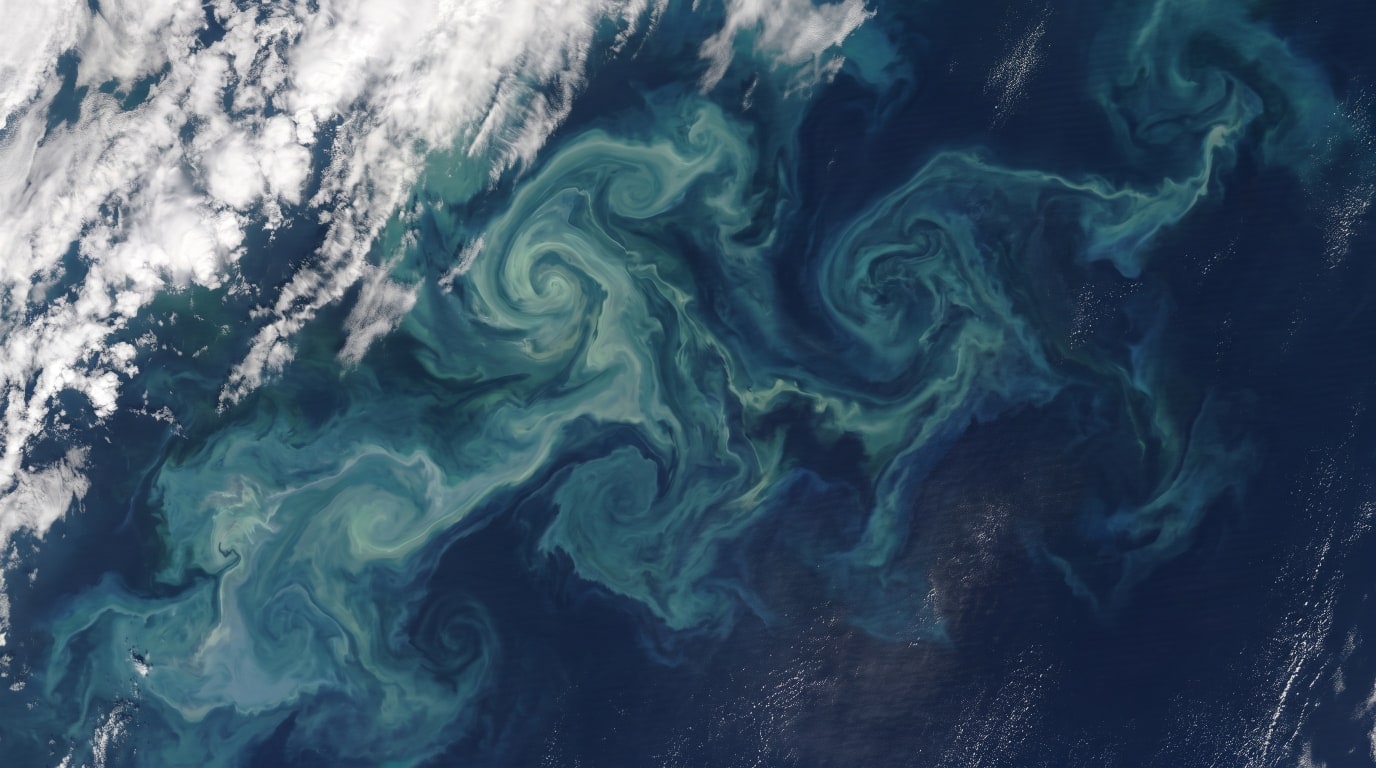
On 7 October 2026, Knowable Magazine published a long feature on Calanus finmarchicus, a copepod about the size of a grain of rice that sits at the heart of the North Atlantic food web. Every spring, these copepods graze the phytoplankton bloom and convert it into fat, storing it in an internal oil sac. That stored fat is what feeds herring, cod, seabirds and the endangered North Atlantic right whale. One researcher in the piece describes these copepods as "the olives or even the avocadoes of the sea", which is about as good a description of a lipid-rich food as I have heard.
The problem is warming. The Gulf of Maine has warmed faster than almost anywhere else in the world's oceans, and warmer water makes Calanus develop faster. A copepod that races through its life stages has less time to graze and less time to pack fat into that oil sac, so it ends up smaller and leaner. The feature also describes how low-oxygen water, combined with warmth, leaves copepods in even poorer condition. The knock-on effects run straight up the food chain: leaner copepods mean leaner herring and cod, and right whales have to travel further to find enough food.
Nothing about the number of copepods in that story is the headline. The headline is copepod nutritional value. The same species, in the same place, is simply worth less as food than it used to be. That is the lesson I want reef keepers to take from it, because exactly the same thing happens in our aquariums and in the cultures that supply them.
What Copepod Nutritional Value Actually Means
When I talk about copepod nutritional value I am really talking about three things: protein, fat and pigment. Copepods are naturally high in protein, which is why they are such a good growth food, but the part that does the heavy lifting for fish health is the fat, and more specifically the long-chain omega-3 fatty acids within it.
The two that matter most are EPA (eicosapentaenoic acid) and DHA (docosahexaenoic acid). Marine fish need both, and most of them have a very limited ability to make them from simpler fats. They have to get them from their food. DHA in particular is critical for the development of the brain, eyes and nervous system, which is why it matters so much for larvae, juveniles and fish that hunt by sight. EPA plays a big role in immune function and in managing inflammation. A fish fed on a diet short of these fatty acids can look fine for a while and then start to fade, lose colour or struggle to recover from stress.
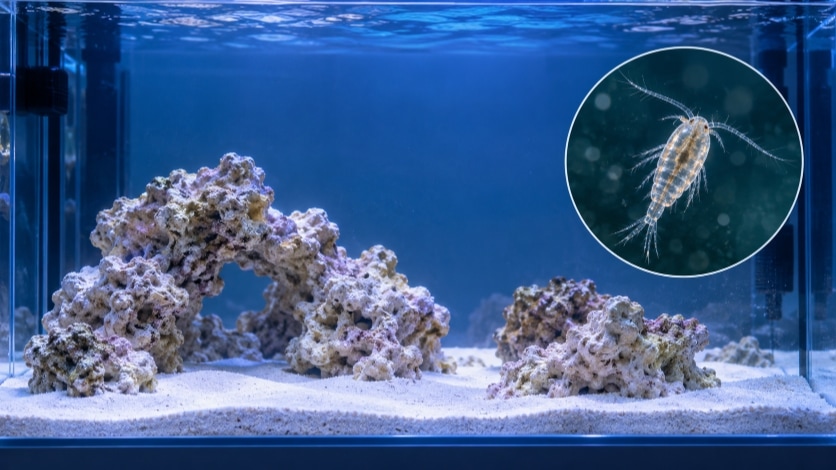
The third part is pigment. Harpacticoid copepods such as Tigriopus californicus, the species we culture, carry astaxanthin, the red-orange carotenoid that gives many reef fish their colour and also works as an antioxidant. If you have ever looked at a well-fed culture of Tigriopus under a light, the orange tint you see is a good visual clue that the animals are carrying pigment and lipid.
Put those three together and you have the reason copepods are such a prized food. But every one of them depends on the copepod's own diet and condition. That is the key to understanding copepod nutritional value in a reef tank, and it is why two bottles of the same species can be worth very different amounts to your fish.
Where Copepods Get Their Fat From
Copepods are grazers. In the ocean and in a well-run culture, their main food is microalgae, and microalgae are the original source of most of the EPA and DHA in the marine food chain. Species such as Pavlova, Tetraselmis and Thalassiosira each bring a slightly different fatty acid profile, and Nannochloropsis is particularly rich in EPA. When a copepod grazes a mixed diet of these algae, it takes up their fatty acids, stores some, modifies others and builds its own body from what it has eaten.
Harpacticoids like Tigriopus are better than many animals at converting simpler fats into the long-chain omega-3s, which is one of the reasons they are such a useful live food. But that ability has limits. A copepod that has been fed well on a varied algal diet will carry far more of what your fish need than one that has been scraping by on detritus or has been starved for days. Research on live feeds for aquaculture has shown this again and again: the fatty acid profile of a copepod tracks what it has been eating, and copepod nutritional value rises and falls with diet.
If you want the longer version of this, I have written a whole post on what copepods eat, and it makes a good companion to this one.
Live Copepods
£11.99
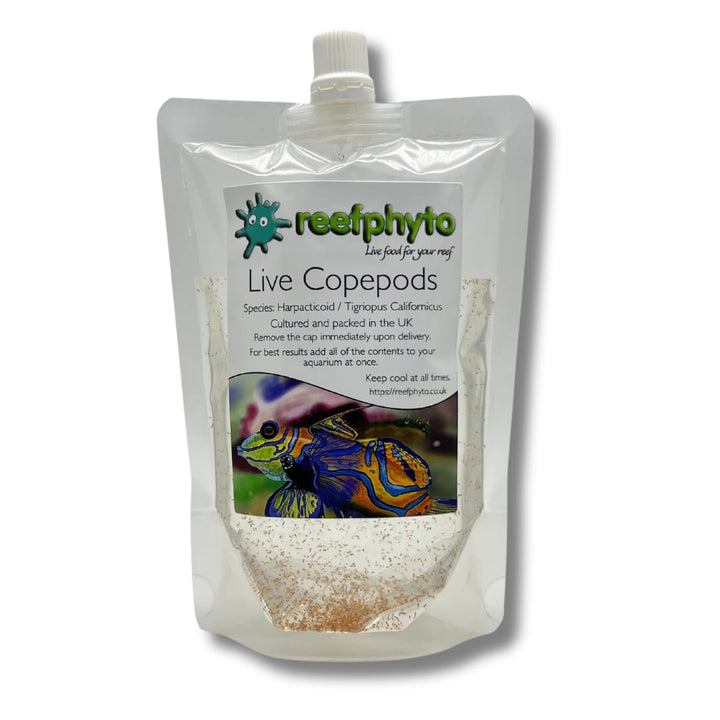
Live Copepods UK: Tigriopus californicus, Cultured Fresh in Wales by Reefphyto Your reef looks right on paper. Clean water, stable parameters, good equipment. But something is still off. Your fish are pale, your mandarin is wasting, your corals are feeding… read more
Why Copepod Nutritional Value Changes Inside Your Tank
Here is the part that ties the ocean story to your aquarium. The copepods you add to a reef tank are not frozen in time at the quality they arrived with. From the moment they leave the bag, their condition starts to depend on your tank. If there is food for them, they keep grazing, keep storing fat and keep breeding. If there is not, they start burning through their reserves, and their value as food for your fish goes down with every day that passes.
Most established reef tanks have some film algae and detritus for pods to graze on, but a clean, heavily skimmed tank with strong nutrient export can be a surprisingly hungry place for a copepod. That is the reef-tank equivalent of the leaner North Atlantic. The population may still be there, you may still see pods on the glass at night, but each one is carrying less than it could. For a mandarin that needs to eat thousands of pods a day, that drop in copepod nutritional value adds up very quickly.
This is also why I am cautious about judging a tank's pod supply purely by how many you can see. A tank can look busy with pods and still be underfeeding a mandarin if those pods are small, young and lean. Equally, a tank with a modest but well-fed population can support a fish surprisingly well. Copepod nutritional value is the hidden multiplier on every pod count.
The Temperature Question
The Calanus story is driven by warming, and temperature matters in our systems too. Copepods in warmer water develop and breed faster, which is great for population growth, but it also means they burn energy faster. In a warm reef tank, a copepod with nothing to eat will use up its reserves sooner than it would in cooler water. That is one more reason a steady food supply for your pods matters more than a single large dose of copepods now and then, because copepod nutritional value falls fastest in a warm tank with nothing to graze.
It also matters in culture. Pushing a culture too warm can increase the number of animals you produce while reducing how much each one is carrying. Like most things in live food production, the goal is balance: warm enough to keep the culture productive, but not so warm that you are trading quality for quantity.
What Affects Copepod Nutritional Value: Ocean vs Reef Tank
The table below lines up what researchers are seeing in the North Atlantic with what happens in a home aquarium and in a culture. I find it a useful way to think about copepod nutritional value, because the same handful of factors drive it everywhere.
| Factor | What happens in the ocean | What happens in a reef tank or culture | What you can do about it |
|---|---|---|---|
| Food supply | Copepods fatten up on the spring phytoplankton bloom | Pods in a very clean, heavily skimmed tank may have little to graze | Dose live phytoplankton to feed the pods already in your tank |
| Diet quality | A varied bloom supplies a wide range of fatty acids | A single algae species or detritus alone gives a narrower profile | Use a mixed-species phytoplankton rather than one species |
| Temperature | Warming speeds development and leaves less time to store fat | Warm tanks and over-warm cultures burn reserves faster | Keep stable temperatures and a steady food supply |
| Time without food | Copepods use stored fat to survive lean periods | Pods kept unfed in transit or storage lose condition | Buy fresh, add promptly and feed after adding |
| Refuge from predators | Copepods escape to deeper water and dense habitat | Pods in a tank with no refuge get eaten before they can breed | Provide a refugium, rubble or a dedicated copepod shelter |
Live Phytoplankton: Feeding the Food
The single most useful thing most reef keepers can do for copepod nutritional value is to feed the copepods themselves. I call it feeding the food. If your pods have a regular supply of live microalgae, they keep grazing, keep laying down fat and pigment, and keep breeding, which means your fish are eating better food and more of it.
Our 5 Species Phytoplankton is built around exactly that idea. It combines Nannochloropsis oculata, Nannochloropsis gaditana, Tetraselmis suecica, Pavlova and Thalassiosira weissflogii, so the pods in your tank get a spread of fatty acids rather than one narrow profile. The dosing rate is 1ml per 27L for a light dose, 1ml per 18L for a medium dose and 1ml per 9L for a heavy dose. If you are new to it, start light and work up while you watch how your tank responds.
If you would rather dose in drops, Live Reef Flourish is dosed at 1 to 4 drops per 80L daily, and Reef Flourish Super Concentrate at 1 to 4 drops per 265L daily. For a weekly approach, Reef Juice is dosed at 5ml per 100L, one to two times a week. The right choice depends on your tank size and how you like to work, but the principle is the same for all of them: give the pods something to eat and they give your fish more in return.
Phytoplankton does more than feed copepods, and I have covered the wider picture in 4 ways phytoplankton impacts your reef. For this post, though, the key point is simple. A pod population that is fed is a pod population that holds its value.
Copepod Feed
£5.99
Copepod Feed: Microalgae Blend for Copepod Cultures A copepod culture is only as good as what you feed it. You can start with a strong founding population of Tigriopus californicus, set up the right vessel, get the aeration dialled in… read more

Fresh Live Copepods and Why Condition on Arrival Matters
The second part of the picture is the condition of the copepods you add. A copepod that has been well fed right up until it is packed carries its full load of fat and pigment into your tank. A copepod that has spent a long time unfed between harvest and arrival has had to live on its reserves, and its copepod nutritional value has already started to slip before it reaches you.
This is why I culture everything in-house here in Wales and feed our cultures on live microalgae right up to harvest. Our Live Copepods are Tigriopus californicus, a hardy harpacticoid of around 1 to 3mm that copes well with reef tank conditions, breeds readily and carries that characteristic orange astaxanthin colour when well fed. For tanks that need a concentrated top-up, Pod-Shot delivers a dense dose of live pods in a pouch, and Live Zooplankton combines copepods and rotifers for tanks with a mix of feeders.
When your pods arrive, add them promptly, ideally with the lights off and the pumps turned down for a short while so they can settle into rockwork rather than being swept into the skimmer. Then feed them. A dose of phytoplankton on the same evening gives them a head start in their new home. I have gone into timing in more detail in when to add copepods to a new tank, and if you are weighing up the alternatives, live vs frozen copepods covers how the two compare.
Protecting Copepod Nutritional Value With Shelter
In the North Atlantic, copepods survive lean seasons partly by escaping into deeper water. In your tank, the equivalent is refuge. Copepods need places to hide, graze and breed away from the fish that are hunting them. Without that, the population gets eaten down faster than it can replace itself, and the animals your fish do catch are often young ones that have not had time to build condition.
A refugium is the classic answer, and my guide on setting up a refugium for copepods walks through how to do it. Not every tank has room for one, though, which is why I designed the PodHide. It sits in the display and gives pods a protected space to breed, while letting a steady trickle of adults out to be eaten. For smaller systems there is the PodHide Nano, and the PodHide and Copepod Bundle gives you both the shelter and a starter population in one go. There is more on why pods vanish in my post on stopping pods disappearing from your reef tank.
Shelter matters for copepod nutritional value because it gives your pods time. Time to grow, time to graze and time to build up the fat and pigment that make them worth eating.
Which Fish Feel the Difference Most
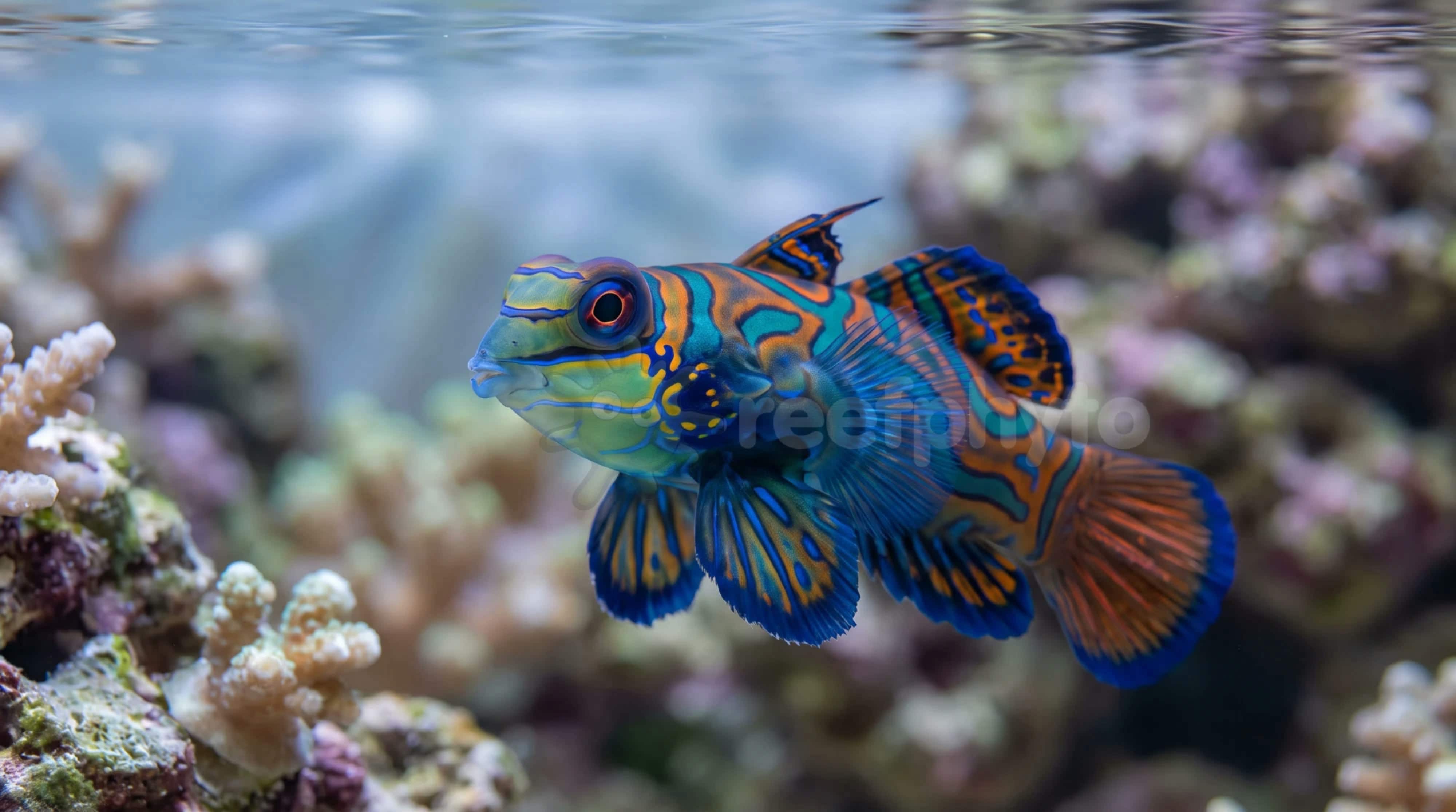
Every fish that eats copepods benefits from well-fed pods, but some feel it far more than others. The obvious one is the mandarin dragonet. Mandarins pick at tiny prey all day long, and many never fully switch to prepared foods. For a mandarin, the difference between lean pods and well-fed pods can be the difference between a fish that slowly thins over months and one that stays plump for years. My mandarin dragonet care guide goes into that in depth, and the Mandarin Food Pack subscription was set up to keep a regular supply of live food going for exactly these fish.
Scooter blennies and other dragonets are in the same position. Leopard wrasses, six-line wrasses, firefish, pipefish and many small gobies also hunt copepods throughout the day. Anthias, which need several feeds a day, do better when part of what they catch is rich live food. And if you are trying to raise fish larvae, copepod nutritional value becomes the whole game, because larvae have tiny reserves and depend on DHA for eye and brain development from the very first days of feeding.
Corals are worth a mention too. Many LPS and some soft corals take zooplankton, and a well-fed copepod is a better meal for a coral polyp as well as for a fish. If you want more on that side of things, my coral feeding guide is the place to start.
Signs Your Pods Are Well Fed
You cannot run a fatty acid analysis on your display tank, but there are a few things you can look for. Healthy, well-fed Tigriopus tend to show an orange to reddish tint, especially the adults and egg-carrying females. You will often see females with egg sacs, which tells you the population is breeding, and you will see a range of sizes rather than only tiny juveniles. If you only ever see very small pods, it may be that the population is being eaten faster than it can grow, or that there is not enough food for the adults to thrive.
Your fish are the best judge of copepod nutritional value, and they will tell you too. A mandarin that is holding its body condition, with a rounded belly rather than a pinched one, is getting enough of the right food. Colour that holds steady or improves over months is another good sign, since much of the red and orange in reef fish comes from carotenoids like astaxanthin in their diet.
If you see the opposite, with a thin fish, faded colour or a pod population that seems to come and go, look at food supply first. In most tanks the answer is a combination of a regular phytoplankton dose, a fresh top-up of live copepods and somewhere for the pods to shelter.
Culturing Your Own: Copepod Nutritional Value Starts With the Algae
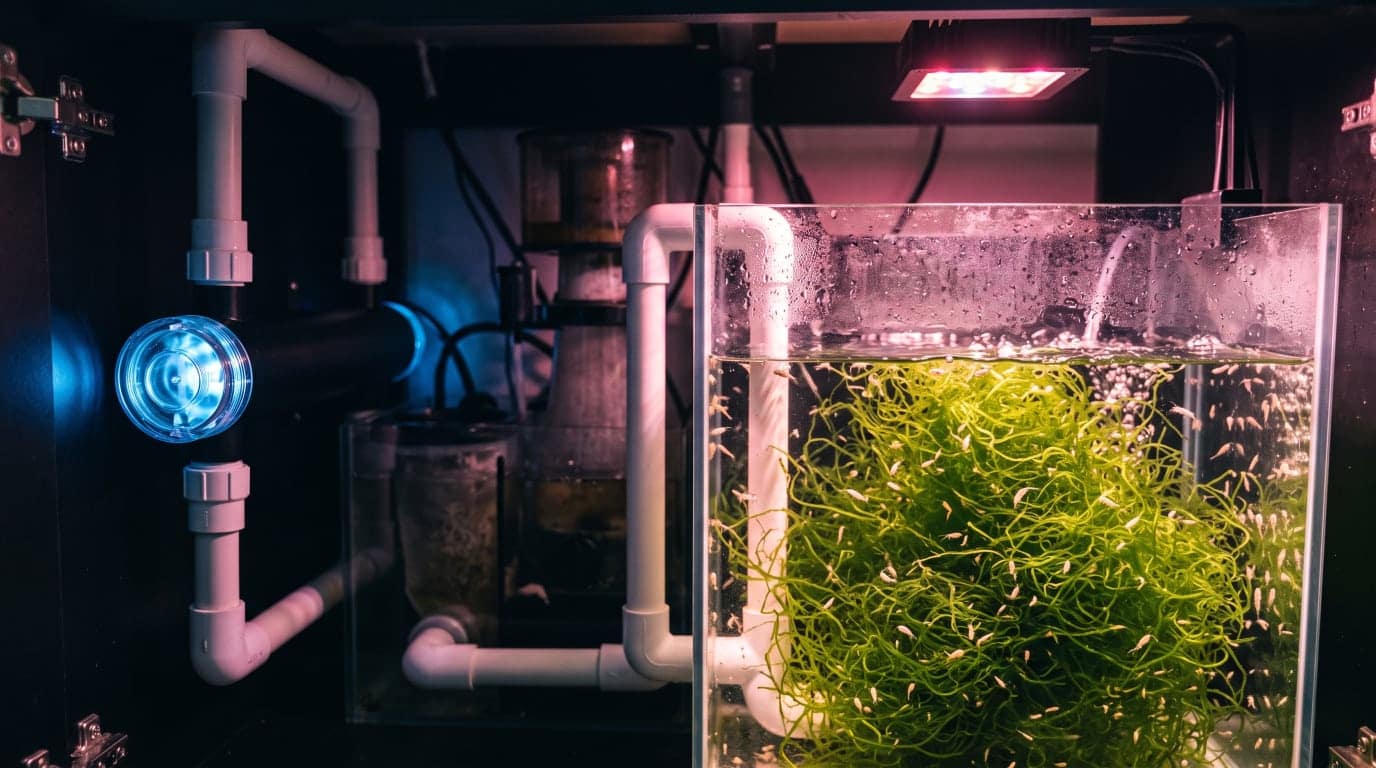
Plenty of reef keepers like to culture their own pods, and I am all for it. If you do, the same rule applies: the quality of your copepods is set by the quality of what you feed them. Our Copepod Culture Kit includes what you need to get started, and Copepod Feed, a four-species microalgae blend, gives your culture a varied diet rather than a single species. It is dosed visually, by adding enough to give the culture water a light green tint and topping up as it clears.
The common mistakes in home cultures are underfeeding, overcrowding and running too warm. Each one will give you pods, but each one tends to give you leaner pods with lower copepod nutritional value. My full guide on how to culture copepods covers the method step by step, and if something is going wrong, the culture troubleshooting centre is there to help.
Copepod Culture Kit
£34.99
Copepod Culture Kit: Grow Live Copepods at Home Buying live copepods every few weeks works, but it adds up. And every time there's a gap in delivery, your mandarin gets stressed, your corals stop extending, and you're back to square… read more

What the Ocean Is Telling Us
I do not want to make too much of a link between the North Atlantic and a home aquarium. The scale is completely different, and the Calanus story is about climate, oxygen and an entire ecosystem under strain. But the principle the researchers are describing is one that every reef keeper can use. Copepods are only as valuable as the fat they carry, and that fat depends on food, temperature and time.
For years, the conversation around pods has been about numbers. I would like it to be about condition as well. Ask how many copepods are in your tank, by all means, but also ask whether they are being fed, whether they have somewhere to shelter and whether the ones you are adding arrive in good condition. Get those three things right and you will be giving your fish far more than a head count of pods. You will be giving them copepod nutritional value that holds up week after week.
If you have questions about copepod nutritional value, feeding your pods or keeping a mandarin in good condition, get in touch. I answer every message personally.
Darren
Founder, Reefphyto Ltd - Wales, UK - Est. 2008