
Quick Navigation
If you have ever wondered whether your corals actually need feeding, you are not alone. It is one of the most common questions I hear from reef keepers, and the answer changes everything about how your tank performs. Coral feeding is not complicated, but it is widely misunderstood. Most beginners either skip it entirely or do it wrong, and the difference between a reef that looks adequate and one that genuinely thrives almost always comes down to nutrition.
I have been culturing live marine foods in Wales for over 18 years, and in that time I have watched thousands of reef keepers transform their tanks simply by getting coral feeding right. This guide covers everything a beginner needs to know, from understanding how corals obtain energy, through choosing the right foods, to building a practical coral feeding schedule that works for your specific tank and coral types.
Understanding Coral Nutrition Basics
Corals are animals, not plants. That distinction matters because it means they need to eat. While many reef corals have a clever partnership with photosynthetic algae that provides some of their energy, the full picture of coral nutrition is more complex and more interesting than most beginners realise.
The Role of Zooxanthellae in Coral Health
Most reef corals host microscopic photosynthetic algae called zooxanthellae within their tissues. These algae use light to produce sugars through photosynthesis, and they share a portion of that energy with their coral host. In return, the coral provides the algae with shelter and access to dissolved nutrients. This symbiotic relationship is why reef lighting matters so much and why corals bleach when stressed, they expel their zooxanthellae and lose their primary energy source.
However, zooxanthellae alone do not provide everything a coral needs. The sugars produced through photosynthesis cover a portion of the coral's energy requirements, but they are low in protein, essential fatty acids, and many of the building blocks corals need for tissue growth, skeletal development, and immune function. This is where coral feeding fills the gap.
Photosynthetic vs. Non-Photosynthetic Corals
Understanding the difference between these two categories is fundamental to getting coral feeding right. Photosynthetic corals (most SPS, LPS, and soft corals in the hobby) obtain a significant portion of their energy from light via their zooxanthellae. They still benefit enormously from supplemental feeding, but they will survive under good lighting even without it.
Non-photosynthetic corals (NPS), such as sun corals, dendrophyllia, and certain gorgonians, have no zooxanthellae at all. They depend entirely on capturing food from the water column. For these corals, feeding is not supplemental. It is their sole energy source. If you keep NPS corals, a rigorous and consistent coral feeding routine is absolutely essential for their survival.
Why Supplemental Feeding Matters
Even for photosynthetic corals that receive plenty of light, supplemental coral feeding makes a measurable difference. Research consistently shows that corals receiving regular feeding alongside adequate lighting grow faster, develop stronger skeletons, display more vibrant colouration, and show greater resilience to environmental stress than corals relying on light alone.
The reason is straightforward. Photosynthesis provides energy in the form of simple sugars. But corals also need proteins for tissue repair and growth, lipids for energy storage and cellular function, and specific fatty acids like EPA and DHA for immune response and reproduction. These come from food, not light. Phytoplankton impacts your reef at every level of the food chain, and understanding that connection is the first step toward effective coral feeding.
Do Corals Really Need to Be Fed?
The short answer is that photosynthetic corals will survive without feeding if your lighting is good, but they will not reach their full potential. NPS corals will die without feeding. For the vast majority of reef keepers running a mixed reef with SPS, LPS, and soft corals, regular coral feeding is not optional if you want the best results from your tank.
Signs Your Corals Are Hungry
Corals cannot tell you they are hungry in obvious ways, but they do show signs. Tissue recession, where the coral skeleton becomes visible at the base or edges of a colony, is often a nutritional issue rather than a water chemistry problem. Pale or washed-out colouration, even under appropriate lighting, can indicate that the coral is not receiving enough heterotrophic nutrition. Reduced polyp extension, slower growth, and a general lack of the "fullness" that healthy corals display are all signals that your corals would benefit from regular feeding.
Many reef keepers chase these symptoms with water chemistry adjustments, dosing additives, or changing lights, when the actual issue is that the corals are simply not getting enough food.
Benefits of Regular Coral Feeding
The benefits of consistent coral feeding are visible and measurable. Faster skeletal growth in SPS corals, often noticeably within weeks of starting a feeding programme. More intense and saturated colouration across all coral types. Greater polyp extension, which itself improves feeding efficiency as the coral captures more naturally available food from the water column. Improved resilience to temperature fluctuations, disease, and other stressors. And in mature corals, enhanced reproduction through increased gamete production.
For reef keepers who have invested significant time and money in their coral collection, regular feeding is one of the highest-return, lowest-cost improvements available.
What to Feed Your Corals
There is no single food that covers every coral's needs. Different corals have different polyp sizes, different feeding mechanisms, and different nutritional requirements. The most effective coral feeding approach uses a combination of food types matched to the corals in your tank.
Live Phytoplankton for Filter Feeders
Phytoplankton is the foundation of the marine food chain and the starting point for any coral feeding programme. At 2 to 20 microns depending on species, phytoplankton cells are small enough to be captured by the finest filter feeders in your tank, including soft corals, gorgonians, feather duster worms, clams, tunicates, sponges, and the smallest SPS coral polyps.
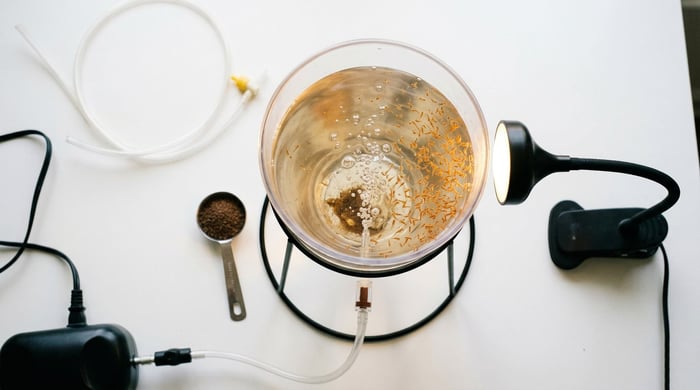
Live phytoplankton is significantly more effective than preserved or paste alternatives because the cells are metabolically active, nutritionally intact, and recognised as food by filter-feeding organisms. Our 5 Species Phytoplankton blend combines Nannochloropsis oculata, Nannochloropsis gaditana, Tetraselmis suecica, Pavlova, and Thalassiosira weissflogii to cover the full particle size range and nutritional spectrum. This means it feeds everything from the finest sponge tissue to the broader filter-feeding soft corals in a single dose.
For reef keepers who want a concentrated daily phytoplankton dose without managing large bottles, our Live Reef Flourish provides a convenient option, and the Reef Flourish Super Concentrate delivers even higher cell density for larger systems or heavier feeding programmes.
Live Zooplankton: Copepods and Rotifers
If phytoplankton is the foundation, live zooplankton is where the real coral feeding transformation happens. Copepods and rotifers are the natural prey that corals evolved to capture. When live zooplankton is present in the water column, corals extend their polyps further, display active feeding tentacles, and capture prey with a visible response that dried or frozen food rarely triggers.
Copepods (Tigriopus californicus, 1 to 3mm) are rich in EPA, DHA, astaxanthin, and essential amino acids. They are the right size for LPS corals, larger SPS polyps, and azooxanthellate corals. Rotifers (Brachionus plicatilis, 90 to 360 microns) are smaller and ideal for SPS corals, smaller LPS polyps, and filter feeders that cannot capture larger prey. Our Live Zooplankton blend combines both in a single product, providing broad-spectrum coral feeding across polyp sizes.
Live copepods benefit your reef tank far beyond direct coral feeding. They also clean surfaces, process detritus, feed fish, and support the broader microfauna food web that healthy reefs depend on.
Frozen Marine Foods
Frozen foods like mysis shrimp, brine shrimp, cyclops, and rotifers are a convenient supplement to live coral feeding. They provide protein and fats, and many LPS corals with large feeding tentacles will readily capture and consume thawed frozen mysis or brine shrimp.
The limitation of frozen food for coral feeding is that it lacks the movement trigger that live prey provides, it loses some nutritional value during freezing and thawing, and the particle sizes are often too large for SPS corals and smaller filter feeders. Frozen food works best as a supplement alongside live phytoplankton and zooplankton, not as the sole coral feeding approach.
Liquid Reef Feeds and Amino Acids
Liquid reef feeds and amino acid supplements provide dissolved organic nutrients that corals absorb directly through their tissues. These products can enhance colouration, support tissue repair, and provide nutrition between feeding events. Our Reef Juice is a live phytoplankton blend designed for regular dosing into the water column, providing both particulate and dissolved nutrition in a single product.
Amino acid supplements are particularly valued by SPS keepers for their effect on coral colour. However, they work best as part of a broader coral feeding programme rather than as a standalone solution. The corals still need particulate food for the proteins, lipids, and fatty acids that dissolved supplements alone do not fully provide.
Matching Food Type to Coral Species
Getting coral feeding right means matching the food particle size to the coral polyp size. The table below provides a quick reference for matching the right food to each coral type in your reef.
| Coral Type | Examples | Best Food Sources | Feeding Method | Frequency |
|---|---|---|---|---|
| SPS Corals | Acropora, Montipora, Pocillopora | Phytoplankton, rotifers, dissolved amino acids | Broadcast | 2-3x per week (daily for max growth) |
| LPS Corals | Euphyllia, Acanthastrea, Lobophyllia, Scolymia | Copepods, mysis shrimp, rotifers, zooplankton | Target + broadcast | 2-3x per week |
| Soft Corals | Leather corals, toadstools, xenia, star polyps | Phytoplankton, fine rotifers, dissolved nutrients | Broadcast | 2-3x per week |
| NPS Corals | Sun corals, dendrophyllia, black corals | Copepods, mysis, enriched brine shrimp, rotifers | Target (essential) | 3-5x per week |
| Filter Feeders | Clams, feather dusters, sponges, tunicates | Phytoplankton, fine particulates | Broadcast | 2-3x per week |
A mixed reef benefits most from a combination approach: regular phytoplankton dosing for the filter feeders and SPS, live zooplankton additions for the LPS and broader ecosystem, and occasional target feeding for NPS corals and hungry LPS specimens.
Live Zooplankton

£13.99
Live Zooplankton You've added a new coral and watched it stay closed for weeks. Your SPS aren't extending the way they should. Your fish are present and your water is clean, but the tank feels static, like something essential is… read more
Coral Feeding Schedule: Timing and Frequency
One of the biggest questions beginners have about coral feeding is how often to do it. The answer depends on the coral types in your tank, but a consistent schedule matters more than perfection.
How Often to Feed SPS Corals
SPS corals are primarily photosynthetic and do not require daily target feeding. However, they benefit significantly from regular phytoplankton and fine zooplankton exposure. Dosing live phytoplankton two to three times per week, and providing live rotifers or zooplankton once or twice per week, will produce noticeably better growth and colouration compared to no feeding at all. For dedicated SPS keepers pushing for maximum growth and colour, daily phytoplankton dosing with our 5 Species Phytoplankton at a rate of 1ml per 27 litres (light), 1ml per 18 litres (medium), or 1ml per 9 litres (heavy) provides the full nutritional baseline.
How Often to Feed LPS Corals
LPS corals are more active heterotrophic feeders and respond strongly to regular coral feeding. Target feeding individual LPS specimens with small pieces of thawed mysis or live copepods two to three times per week produces excellent results. Broadcast feeding with live zooplankton between target feeding sessions ensures the corals receive nutrition even when you are not actively feeding them. Most LPS-dominant tanks see the best results with a combination of two target feeds and two to three broadcast zooplankton additions per week.
Feeding Soft Corals and Leather Corals
Soft corals are filter feeders that benefit primarily from phytoplankton and fine particulate food in the water column. Regular phytoplankton dosing two to three times per week is the most effective coral feeding approach for soft coral dominant systems. Leather corals, toadstools, and xenia will show improved tissue health and growth with consistent phytoplankton feeding. Some soft corals also benefit from fine zooplankton like rotifers, which our Roti-Shot provides in a convenient ready-to-use format.
Best Time of Day for Coral Feeding
The best time for coral feeding is in the evening, after your display lights have dimmed or switched off. This is when most corals naturally extend their feeding polyps and tentacles. In the wild, corals feed primarily at night when zooplankton rises from the reef structure into the water column. By feeding your corals in the evening, you are working with their natural biology rather than against it.
If evening feeding is not practical for your schedule, feeding during a low-light period or shortly before lights-off still works well. The key is consistency. Corals adapt to regular feeding times, and a predictable schedule encourages better polyp extension and feeding response over time.
How to Target Feed Corals Effectively
Target feeding is the process of delivering food directly to individual coral polyps rather than broadcasting it into the water column. It is the most efficient form of coral feeding for LPS and NPS corals, ensuring the coral receives the food rather than having it swept away by flow or consumed by fish.
Essential Target Feeding Tools
You do not need expensive equipment to target feed corals effectively. A feeding syringe or turkey baster is the primary tool. A set of transfer pipettes is useful for smaller corals and more precise delivery. The ability to reduce or redirect flow in the tank during feeding prevents food from being swept away before the coral can capture it.
Step-by-Step Target Feeding Process
Reduce flow in the tank by turning off wavemakers or reducing powerhead output. This gives corals time to capture food without it being swept away. Wait for polyps to extend, which typically happens within a few minutes of flow reduction, especially if you have been feeding consistently and the corals associate reduced flow with food arriving. Using a syringe or pipette, gently release a small amount of food directly above or beside the coral's feeding tentacles. Watch for the feeding response, the tentacles should curl inward, drawing the food toward the mouth. Once the coral has captured the food, wait a few minutes before restoring flow. Repeat for each coral you are target feeding.
Target Feeding Different Coral Types
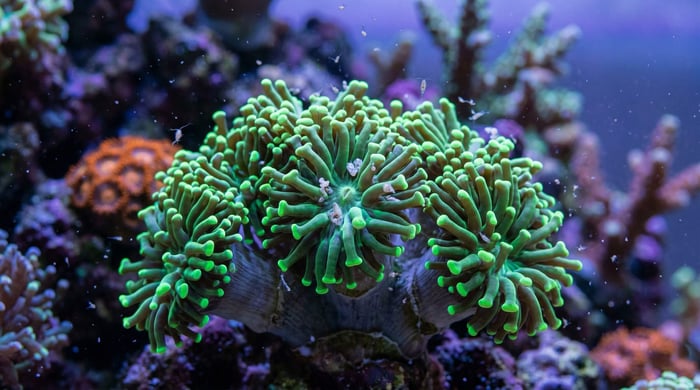
LPS corals with large, fleshy polyps (Acanthastrea, Lobophyllia, Scolymia) respond well to small pieces of thawed mysis or live copepods placed directly on the polyp surface. Euphyllia species (hammers, torches, frogspawn) capture food with their sweeper tentacles and benefit from zooplankton released into the flow just upstream of the colony. NPS corals like sun corals require food placed directly into extended polyps and may need feeding three to five times per week to maintain condition. Branching SPS corals generally do not need target feeding but benefit from broadcast additions of phytoplankton and rotifers.
Broadcast Feeding vs. Target Feeding
Both methods have their place in a coral feeding programme, and most reef keepers use a combination of the two.
When to Use Broadcast Feeding
Broadcast feeding means adding food to the water column and allowing it to disperse throughout the tank. This is the most practical approach for phytoplankton dosing, fine zooplankton additions, and feeding large numbers of corals simultaneously. It is also the primary method for feeding filter feeders, soft corals, and SPS corals whose polyps are too small for individual target feeding. Broadcast coral feeding with live phytoplankton or live zooplankton feeds the entire ecosystem in one action, benefiting corals, copepods, rotifers, filter feeders, and the broader microfauna community simultaneously.
When to Use Target Feeding
Target feeding is most effective for LPS corals with large mouths that can capture and ingest larger food items, NPS corals that depend entirely on captured prey, and any coral that you want to push for maximum growth. It is more time-consuming than broadcast feeding but delivers more food directly to the coral with less waste. For high-value colonies or corals recovering from stress, target feeding two to three times per week alongside regular broadcast feeding produces the fastest improvement.
Common Coral Feeding Mistakes to Avoid
After 18 years of advising reef keepers on coral feeding, certain mistakes come up repeatedly. Avoiding them will save you time, money, and the frustration of watching corals decline despite your best efforts.
Overfeeding and Water Quality Issues
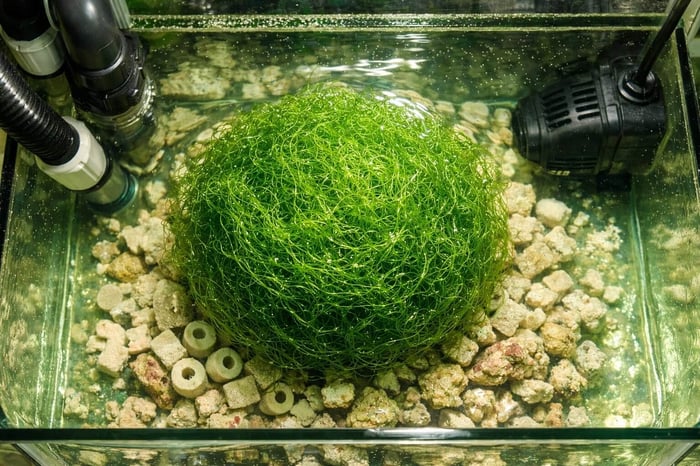
Overfeeding is the most common coral feeding mistake, and it causes more problems than underfeeding. Excess food that corals do not consume breaks down in the water column, spiking nitrate and phosphate levels and potentially triggering nuisance algae blooms. The solution is to start with small amounts and increase gradually based on how the corals respond. If you are broadcast feeding phytoplankton, the water should clear within an hour or two. If it remains cloudy, you are adding too much. A well-maintained refugium helps buffer against nutrient spikes from feeding by absorbing excess nutrients through macroalgae growth.
Choosing the Wrong Food Size
Feeding large food particles to corals with tiny polyps wastes food and pollutes the water. An Acropora cannot eat a chunk of mysis shrimp. It needs phytoplankton and rotifers. Conversely, a hungry Scolymia will barely register a phytoplankton dose but will engulf a whole mysis shrimp in seconds. Matching food particle size to polyp size is one of the simplest and most impactful improvements you can make to your coral feeding routine. If you keep a mixed reef, using a combination of phytoplankton (for SPS and filter feeders), live zooplankton (for the mid-range), and larger items like mysis (for big-mouthed LPS) covers the full spectrum.
Monitoring Your Corals' Response to Feeding
Coral feeding is not a set-and-forget activity. The most successful reef keepers observe their corals closely and adjust their feeding based on what they see.
Tracking Growth and Coloration
Take photographs of your corals under consistent lighting every two to four weeks. Compare growth, colour intensity, polyp extension, and overall tissue health over time. Most reef keepers who start a consistent coral feeding programme see visible improvements within four to six weeks, with the most dramatic changes in colour intensity and polyp extension appearing first. Growth rate improvements in SPS corals typically become measurable over two to three months.
Adjusting Your Feeding Routine
If your corals are responding well, with increased polyp extension, better colour, visible growth, and your water parameters remain stable, your coral feeding routine is working. If you see nutrient levels climbing (nitrates and phosphates rising above your target range), reduce feeding frequency or volume slightly. If corals are not responding despite regular feeding, check that you are using the right food sizes for your coral types and that you are feeding at times when polyps are extended.
The goal is to find the feeding frequency and volume that produces visible coral improvement without destabilising your water chemistry. For most mixed reef tanks, this is phytoplankton two to three times per week, live zooplankton once or twice per week, and target feeding LPS and NPS corals two to three times per week.
If you want to take your coral feeding further, building a live food system around a refugium stocked with copepods and fed with live phytoplankton creates a continuous, automatic coral feeding system that works around the clock without daily intervention. The refugium produces copepods and rotifers that seed the display, phytoplankton dosing feeds the filter feeders directly, and the whole system mirrors what happens on a natural reef, food available in the water column at all times, not just during scheduled feeding events.
For keepers looking to build a complete live coral feeding system, our Zooplankton Multipack provides copepods, rotifers, and phytoplankton in a single order, giving you everything needed to start feeding your corals the way nature intended.
If you have questions about coral feeding, which products suit your specific corals, or how to build a feeding routine for your tank, get in touch. I answer every message personally.
Darren
Founder, Reefphyto Ltd - Wales, UK - Est. 2008