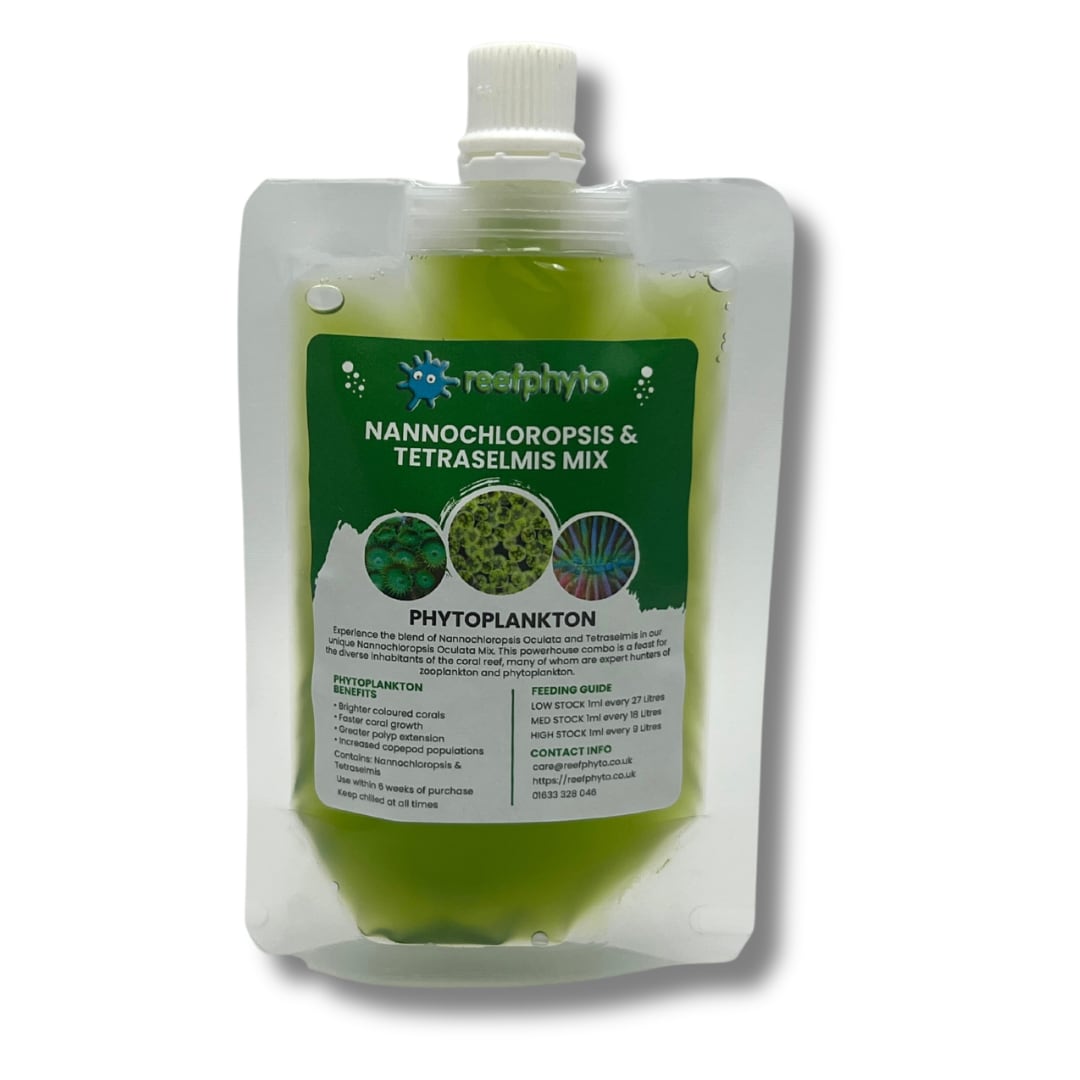
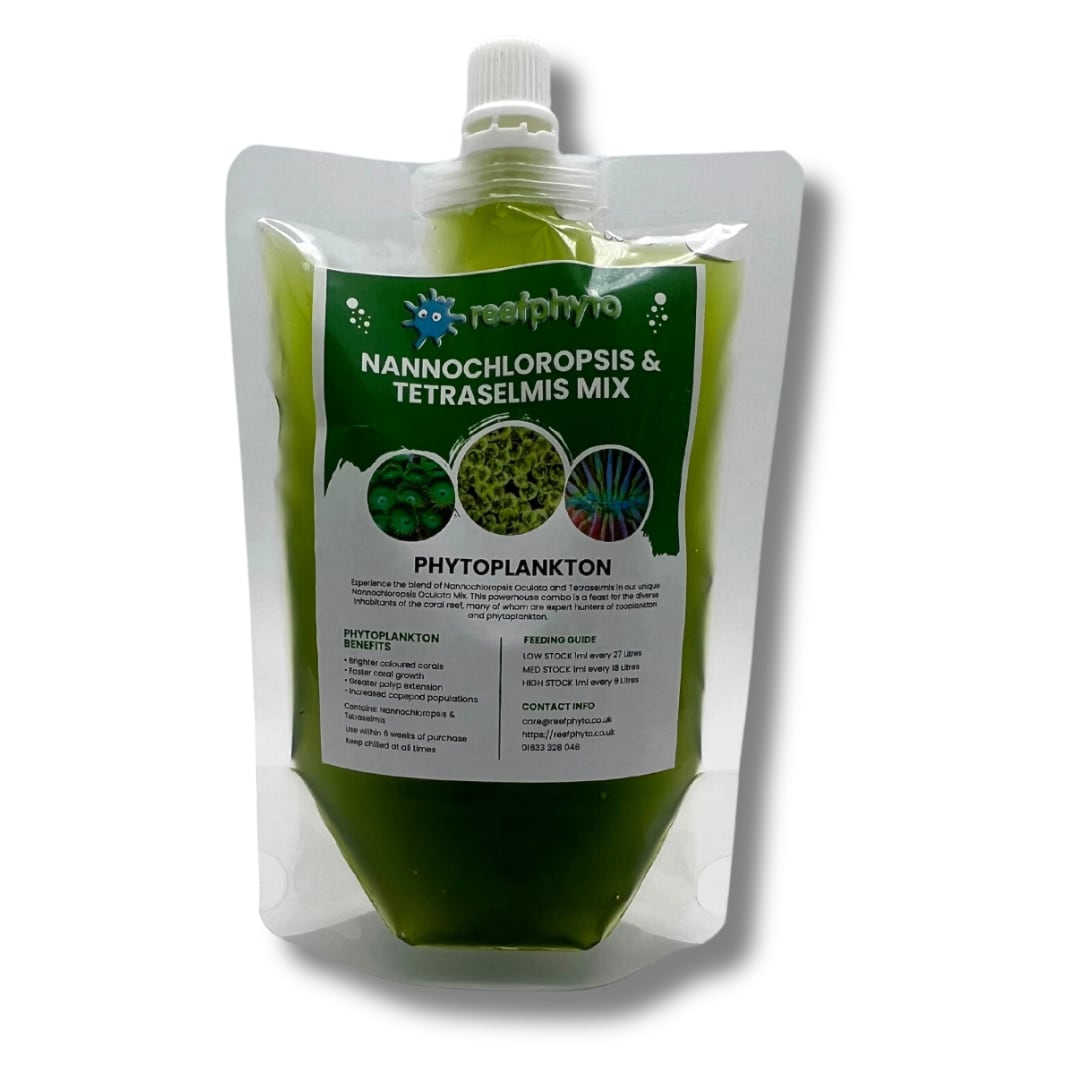
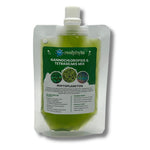
Nannochloropsis & Tetraselmis Phytoplankton: Dual-Species Live Blend for Reef Tanks
You have filter feeders in your tank that you barely think about. The clams sitting on the rockwork. The feather dusters that extend at lights on. The sponges growing in the shaded corners. They are alive, they are present, and in a tank with no regular phytoplankton input they are slowly running on empty. Filter feeders do not decline dramatically. They just gradually do less, extend less, grow less, until one day you notice they are not really doing anything at all.
A single-species phytoplankton input feeds part of the system. A two-species input with complementary cell sizes and fatty acid profiles feeds more of it, more completely. Nannochloropsis oculata at 1 to 5 microns feeds the finest filter feeders, sponges, tunicates, and the smallest copepods while absorbing dissolved nitrate and phosphate from the water column. Tetraselmis suecica at 8 to 12 microns feeds larger copepods, rotifers, and the broader filter feeding community, enriching every organism that consumes it with the lipids and amino acids that improve their nutritional quality for everything above them in the food chain. Together at a 50/50 ratio as a high-density live culture, they cover the full 1 to 12 micron feeding range in a single daily dose.
Dose at 1ml per 27 litres daily for lightly stocked systems, 1ml per 18 litres for medium-stocked systems, and 1ml per 9 litres for heavily stocked tanks with high filter feeder and coral populations. Add to a high-flow area of the sump or display tank with UV and ozone off for 30 to 60 minutes after dosing. Store refrigerated and use within six weeks of delivery. Available from 100ml to 5000ml to suit everything from a nano reef to a large-scale public aquarium programme.
Dose consistently for two to four weeks and the change accumulates at every level. Copepod numbers in the refugium increase as both species provide their preferred food source reliably. Rotifers in culture produce healthier progeny as Tetraselmis enriches their fatty acid profile. Clams and filter feeders become more visibly active. Coral polyps extend further and hold the extension for longer. The system settles into a biological rhythm that regular phytoplankton input creates and irregular dosing never quite achieves.
Not sure how much to dose for your tank size? Our live food dosing calculator works it out for you. Enter your total water volume, select your product, and get the exact daily dose in seconds. No guesswork, no searching through instructions.
Reefphyto has been culturing Nannochloropsis and Tetraselmis in Wales since 2008. Every batch is produced fresh and dispatched at peak cell density. If you are unsure which dosing rate suits your system or how this blend fits into a wider live food programme, contact us directly. Darren responds personally.
Two species. One daily dose. The nutritional foundation your reef has been missing.
Why Two Species Cover More Than One
A phytoplankton product is only useful to the animals that can eat it. Cell size is the primary limiting factor. An organism with a feeding apparatus designed for 2-micron particles cannot efficiently consume a 10-micron cell, and an organism that feeds on larger particles gains nothing from a culture composed entirely of fine microalgae. A two-species blend with genuinely complementary size ranges feeds a broader community of reef animals in a single dose than any single-species product can.
The Nannochloropsis and Tetraselmis mix pairs the two most widely used and most nutritionally complementary species in marine aquaculture into a 50/50 blend covering the full 1 to 12 micron range. Everything from the finest sponge and tunicate filter feeders at the small end to larger copepods, rotifers, and coral polyps at the larger end receives nutritionally relevant food particles from a single daily addition. That breadth of coverage is what makes this blend the practical daily dosing choice for keepers who want one product doing the work of two.
The Two Species and Their Roles
Nannochloropsis oculata: Fine Filtration, EPA, and Nutrient Export
Nannochloropsis oculata cells measure 1 to 5 microns, placing them within the feeding range of the finest filter feeders in a reef system. Sponges, tunicates, clams, feather duster worms, and the smallest coral polyps all access Nannochloropsis efficiently. Its EPA content is among the highest of any cultured microalgae species, making it one of the most nutritionally significant phytoplankton inputs available at this cell size. It also absorbs dissolved inorganic nitrogen and phosphorus from the water column as it photosynthesises, contributing to natural nutrient export alongside its direct feeding role.
In a copepod culture context, Nannochloropsis is the primary food source for nauplii and early-stage juvenile copepods whose feeding apparatus cannot yet handle larger particles. Consistent Nannochloropsis availability in the refugium directly supports copepod population growth at its most vulnerable early stage.
Tetraselmis suecica: Lipids, Amino Acids, and Zooplankton Enrichment
Tetraselmis suecica cells measure 8 to 12 microns, making them accessible to larger filter feeders, adult copepods, rotifers, and a broader range of coral feeding structures. Its lipid and amino acid profile is particularly valued for the nutritional enrichment it provides to live zooplankton cultures. Copepods and rotifers that consume Tetraselmis regularly produce progeny with a significantly better fatty acid profile than those maintained on Nannochloropsis alone, and those improved fatty acids pass directly to the fish and corals that consume the zooplankton.
For keepers running a copepod refugium or a rotifer culture alongside their reef tank, the inclusion of Tetraselmis in the daily phytoplankton dose improves the nutritional quality of the entire live food chain, not just the direct filter feeding community.
Dosing Guide
The correct dose depends on how heavily your system is stocked with filter feeders, corals, and zooplankton.
For lightly stocked systems with modest filter feeder populations and limited coral coverage, dose at 1ml per 27 litres daily. For medium-stocked systems with active filter feeders, mixed coral populations, and a copepod refugium, dose at 1ml per 18 litres daily. For heavily stocked systems with dense coral coverage, high filter feeder populations, active live culture programmes, or large zooplankton communities, dose at 1ml per 9 litres daily.
Add the dose to a high-flow area of your sump or display tank. Turn off your protein skimmer, UV steriliser, and any ozone equipment for 30 to 60 minutes after dosing to allow cells to circulate and be consumed before removal. Resume normal operation after this period. Dosing in the evening under reduced lighting extends cell viability in the water column.
If you are unsure which dose rate applies to your system, start at the lower rate and observe whether the water clears within one to two hours after dosing. If it clears quickly and your filter feeders appear active, the dose is being consumed efficiently. Move to the medium rate after two weeks and monitor the response.
Available Sizes and Who They Suit
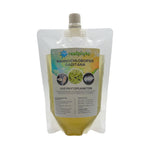
This blend is available from 100ml to 5000ml, making it practical across the full range of reef keeping and professional aquaculture applications.
The 100ml and 250ml sizes suit nano and smaller reef systems, or keepers who want to trial the blend before committing to a larger volume. At the medium dose rate of 1ml per 18 litres, a 250ml pouch provides approximately 25 days of supply for a 180-litre system.
The 500ml and 1000ml sizes suit standard home reef systems dosed at medium to high rates, and keepers running a copepod refugium or rotifer culture alongside daily reef tank dosing. These sizes offer a more economical cost per millilitre than the smaller formats.
The 2500ml and 5000ml sizes are suited to large display systems, keepers running high-volume live culture programmes, professional breeders, and public aquariums requiring significant daily phytoplankton volumes. At these volumes the blend represents the most cost-effective live phytoplankton input available in the Reefphyto range per litre of tank volume dosed.
How This Blend Fits Into the Wider Reefphyto Phytoplankton Range
Reefphyto produces several live phytoplankton products with overlapping applications. Understanding where the Nannochloropsis and Tetraselmis mix sits helps you choose correctly for your system.
The Nannochloropsis and Tetraselmis mix is a two-species blend covering 1 to 12 microns. It is the most practical daily dosing choice for keepers who want broad coverage across filter feeders and zooplankton cultures from a single product, particularly those running active copepod or rotifer programmes where Tetraselmis enrichment is a direct benefit.
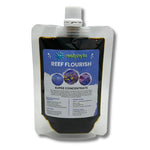
The five-species blends, available as 5 Species Phytoplankton, Live Reef Flourish, and Reef Flourish Super Concentrate, cover a broader 1 to 20 micron range and include Isochrysis, Pavlova, and Thalassiosira weissflogii alongside Nannochloropsis and Tetraselmis. They provide a wider fatty acid and pigment range and are better suited to mixed reef systems where comprehensive coverage of the full filter feeding community including larger NPS corals, fan corals, and tridacna clams is the primary goal.
The single-species Nannochloropsis gaditana is better suited to targeted fine filter feeder nutrition or as a culture feed where a known single-species input is required.
Many keepers use the Nannochloropsis and Tetraselmis mix as their primary daily culture and reef feed, and supplement with a five-species blend or single-species Nannochloropsis when specific nutritional goals require it. Not sure which phytoplankton suits your reef? Our Phytoplankton Finder walks you through four quick questions and recommends the right product for your setup.
Frequently Asked Questions
Can I use this to feed my rotifer culture?
Yes. Tetraselmis suecica is one of the most effective rotifer culture feeds available, producing rotifers with a significantly better fatty acid profile than those maintained on Nannochloropsis alone. The 50/50 blend feeds both the fine and coarser feeding structures within the rotifer population and is a practical single-product solution for keepers who want to feed their culture and dose their reef tank from the same pouch. For a purpose-built rotifer feed, our Rotifer Feed Concentrate is the dedicated two-species blend designed specifically for rotifer culture nutrition.
How does this compare to the five-species blend?
The two-species blend covers 1 to 12 microns and is optimised for copepod and rotifer culture feeding alongside reef tank dosing. The five-species blend covers 1 to 20 microns and adds Isochrysis, Pavlova, and Thalassiosira for broader coral and large filter feeder coverage. If your primary goal is zooplankton culture nutrition alongside reef feeding, the two-species blend is the more targeted choice. If your primary goal is broad-spectrum reef nutrition across the full filter feeding community, the five-species blend is more comprehensive.
Is this suitable for feeding clams and tridacna?
Yes for Nannochloropsis, which sits firmly within tridacna feeding range. Tetraselmis at 8 to 12 microns is also accessible to many tridacna species and larger bivalves. For keepers whose primary goal is tridacna and large bivalve nutrition, adding a five-species blend that includes Thalassiosira weissflogii provides additional coverage at the larger end of the particle size range.
Will the large pouch sizes remain fresh throughout use?
Store refrigerated at 4 to 10 degrees Celsius from delivery. Use within six weeks of delivery for best cell viability. For the 2500ml and 5000ml sizes, dispensing into smaller working containers and keeping the main stock sealed and refrigerated between uses helps maintain freshness across the full usage period. Shake gently before each use to redistribute settled cells.
Is this suitable for a public aquarium or large-scale breeding programme?
Yes. The 2500ml and 5000ml sizes are produced specifically for high-volume applications including public aquariums, commercial marine fish breeding programmes, and large-scale copepod and rotifer culture operations. Contact us directly to discuss volume requirements and supply frequency if you are running a programme that requires consistent large-volume delivery.
Reefphyto: Live Phytoplankton Cultured in Wales Since 2008
Reefphyto has been producing and supplying live Nannochloropsis and Tetraselmis to reef keepers, marine fish breeders, and public aquariums across the UK since 2008. Every batch is cultured fresh at our specialist Wales facility and dispatched at peak cell density. If you have questions about dose rates, how this blend fits into your live food programme, or which size is right for your application, contact us directly. Darren responds personally to every enquiry.

 Roll over image to zoom in



 Darren Wordley
18 years culturing live phytoplankton in Wales
Darren Wordley
18 years culturing live phytoplankton in Wales
 Cultured in Wales, shipped live.