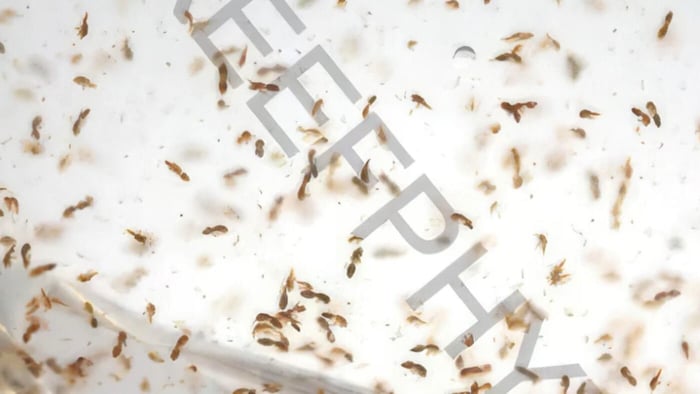

What do copepods eat is a question that matters more to reef keepers than it might first appear. The answer shapes how you feed your refugium, whether your copepod population can sustain itself between top-ups, and ultimately whether the fish and corals depending on live prey in your tank are being properly supported. Understanding what copepods eat in a reef system helps you provide the right conditions for them to thrive rather than simply adding them and hoping for the best.
Darren, Reefphyto
The Natural Diet of Copepods
Copepods are opportunistic feeders with a varied diet that shifts depending on species and what's available in their environment. In a reef tank context, the primary food sources are phytoplankton, microalgae, detritus, and bacteria. Each of these contributes differently to copepod health, and understanding how they interact helps you build a system where copepod populations genuinely sustain themselves.
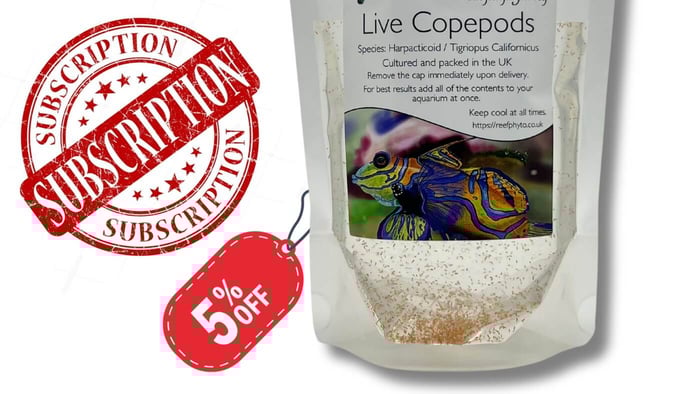
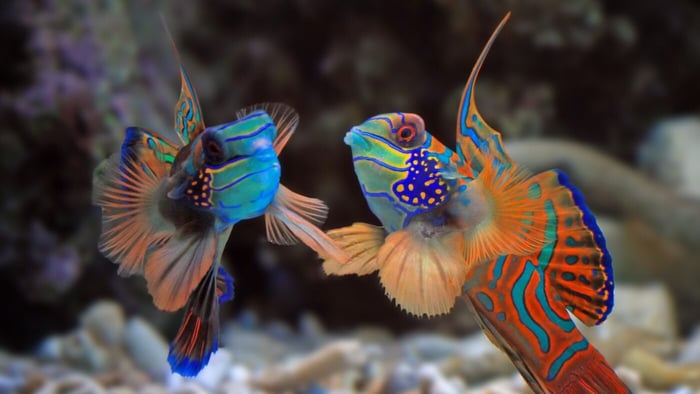
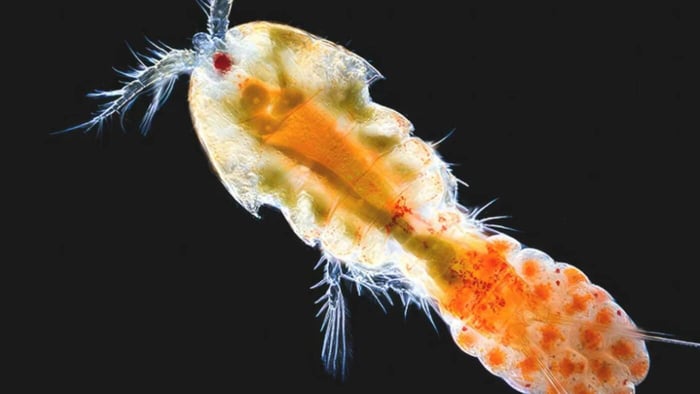
Phytoplankton is the most important dietary component for the harpacticoid copepods used in reef aquaculture, including the Tigriopus californicus we culture at Reefphyto. Tigriopus californicus is a microalgae grazer by nature, consuming phytoplankton cells and accumulating their fatty acids and carotenoids into its own tissue. This is what makes Tigriopus californicus so nutritionally valuable as a prey item for reef fish and corals. A copepod that has been fed well on live phytoplankton delivers EPA, DHA, and astaxanthin directly to the mandarin dragonet or SPS coral consuming it. A copepod that's been starved delivers far less. What do copepods eat is therefore directly connected to what your fish and corals are getting from them.
Microalgae, including diatoms and green algae growing naturally on rockwork and substrates, provides a supplementary food source for harpacticoid copepods in a mature reef. Copepods grazing on microalgae contribute to the natural control of microalgae growth, removing early-stage algae before it can develop into a nuisance bloom. Detritus and bacteria make up a smaller proportion of the harpacticoid diet but are consumed opportunistically, contributing to nutrient cycling and the breakdown of organic waste in the substrate and rockwork.
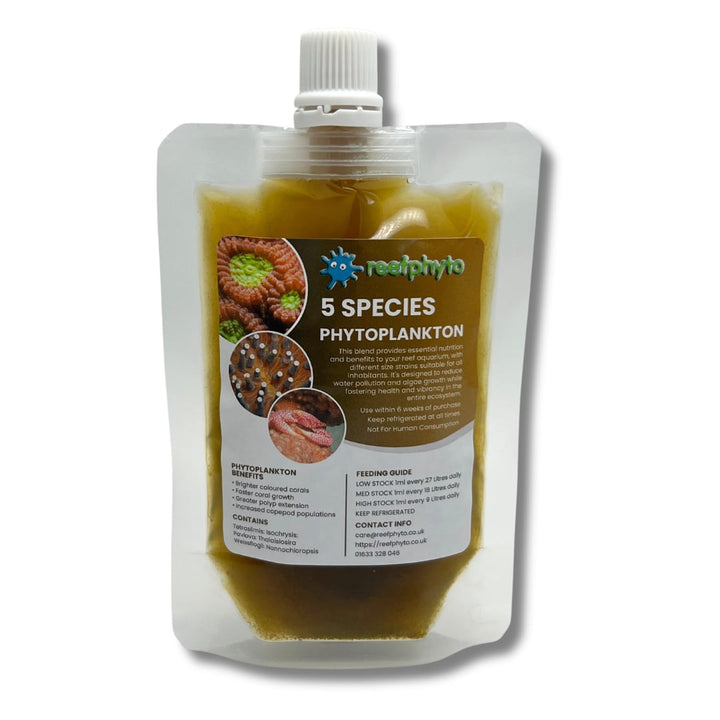
5 Species Phytoplankton
£6.99
5 Species Phytoplankton Blend: Build a Thriving Marine Ecosystem Your corals are open, your fish are healthy, and your parameters are clean. But something about the tank feels thin. The microfauna community never quite established. Your copepod population does not… read more
Feeding Copepods in a Refugium
For reef keepers running a refugium, understanding what do copepods eat is the key to getting a self-sustaining copepod population rather than a population that slowly declines between manual top-ups. The answer in a refugium context is primarily phytoplankton, and the solution is regular phytoplankton dosing directly into the refugium.
A refugium dosed two to three times weekly with live phytoplankton maintains a food particle density that supports active copepod reproduction. Copepod nauplii, the larval stage that enters the display tank and provides fine-particle nutrition for SPS corals and other filter feeders, are produced continuously in a well-fed refugium rather than intermittently. The difference between a thriving refugium copepod population and one that slowly dwindles almost always comes down to whether phytoplankton is being provided consistently.
Copepod feed concentrate is a useful supplement for culture maintenance and for reef keepers who want to supplement phytoplankton dosing with a more concentrated food source. It's particularly useful for maintaining copepod cultures between live phytoplankton deliveries.
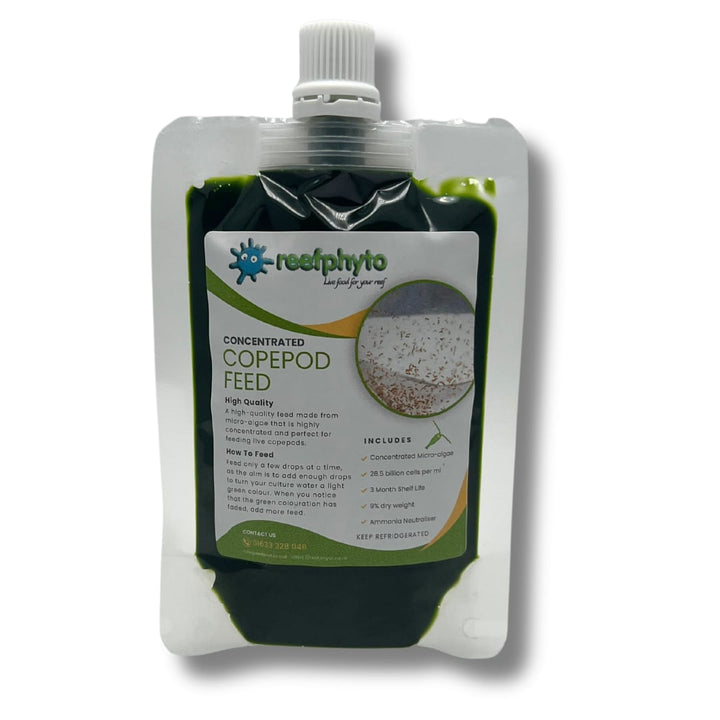
Copepod Feed
£5.99
Copepod Feed: Microalgae Blend for Copepod Cultures A copepod culture is only as good as what you feed it. You can start with a strong founding population of Tigriopus californicus, set up the right vessel, get the aeration dialled in… read more
What Copepod Diet Means for Your Reef Tank
The practical takeaway from understanding what do copepods eat is straightforward. Feed your refugium phytoplankton regularly and you feed your copepod population. Feed your copepod population well and you feed your fish and corals better, because the nutritional content of a well-fed copepod is meaningfully higher than one that has been grazing on detritus and bacteria alone. The food chain in your tank is only as strong as its weakest link, and phytoplankton is the foundation that link builds from.
Avoid medications and chemical treatments in tanks or refugiums where copepod populations are established. Many reef medications are toxic to copepods and can crash a population quickly. If treatment is necessary, remove and isolate the affected animal in a separate hospital tank rather than medicating the display.
A Note from Darren
What do copepods eat comes up in almost every conversation I have about live food systems for reef tanks. The answer always leads back to the same place: phytoplankton is the foundation. Get that right and the rest of the live food system builds from it naturally. If you want advice on setting up a productive refugium or choosing the right phytoplankton for your copepod culture, call us on 01267 611533 or use the contact page.