FAQs
How do you spot euphyllia-eating flatworms and their eggs?
Your eyes are the best tool you have. Inspect every new coral thoroughly before it goes anywhere near your display, and check it both when it is fully extended and when it is retracted, because polyps can hide worms and eggs when the coral is open.
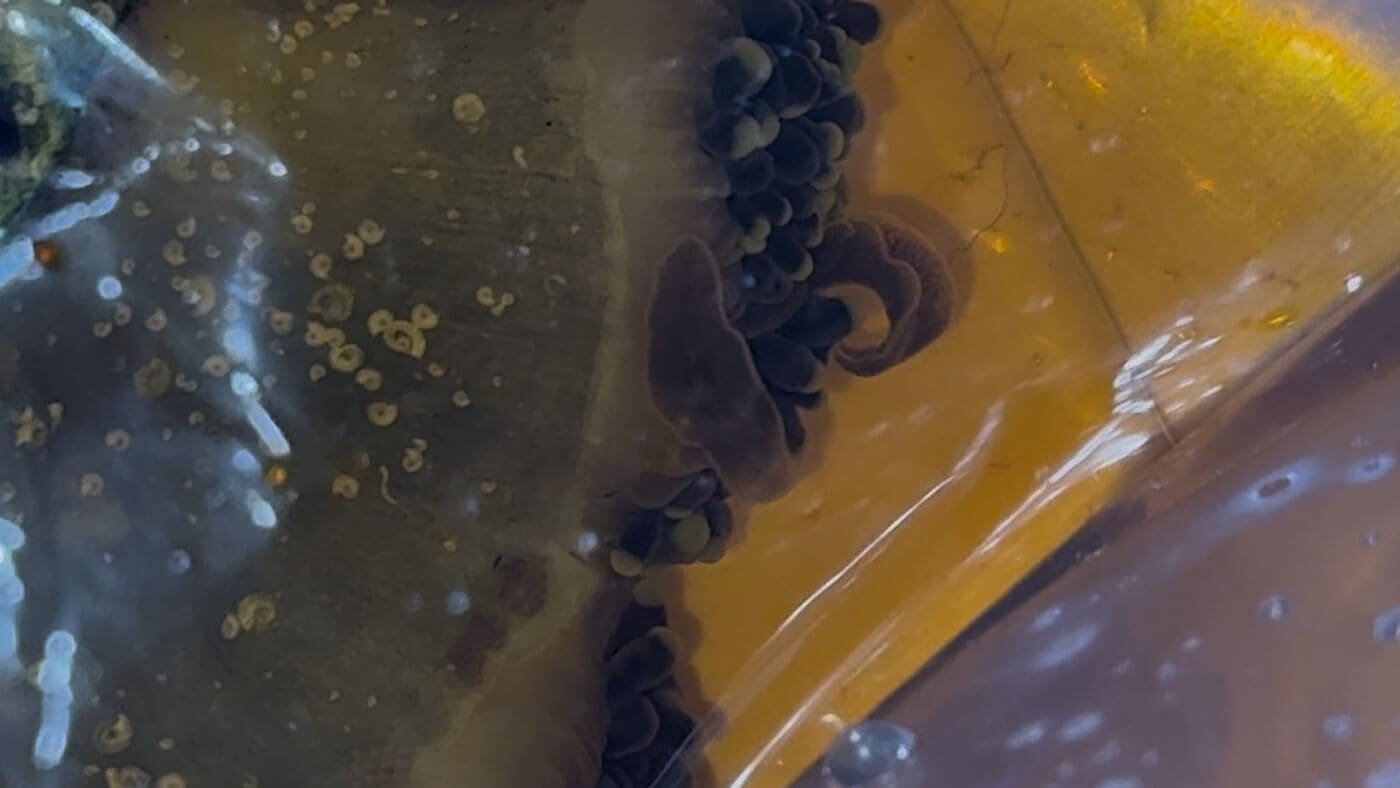
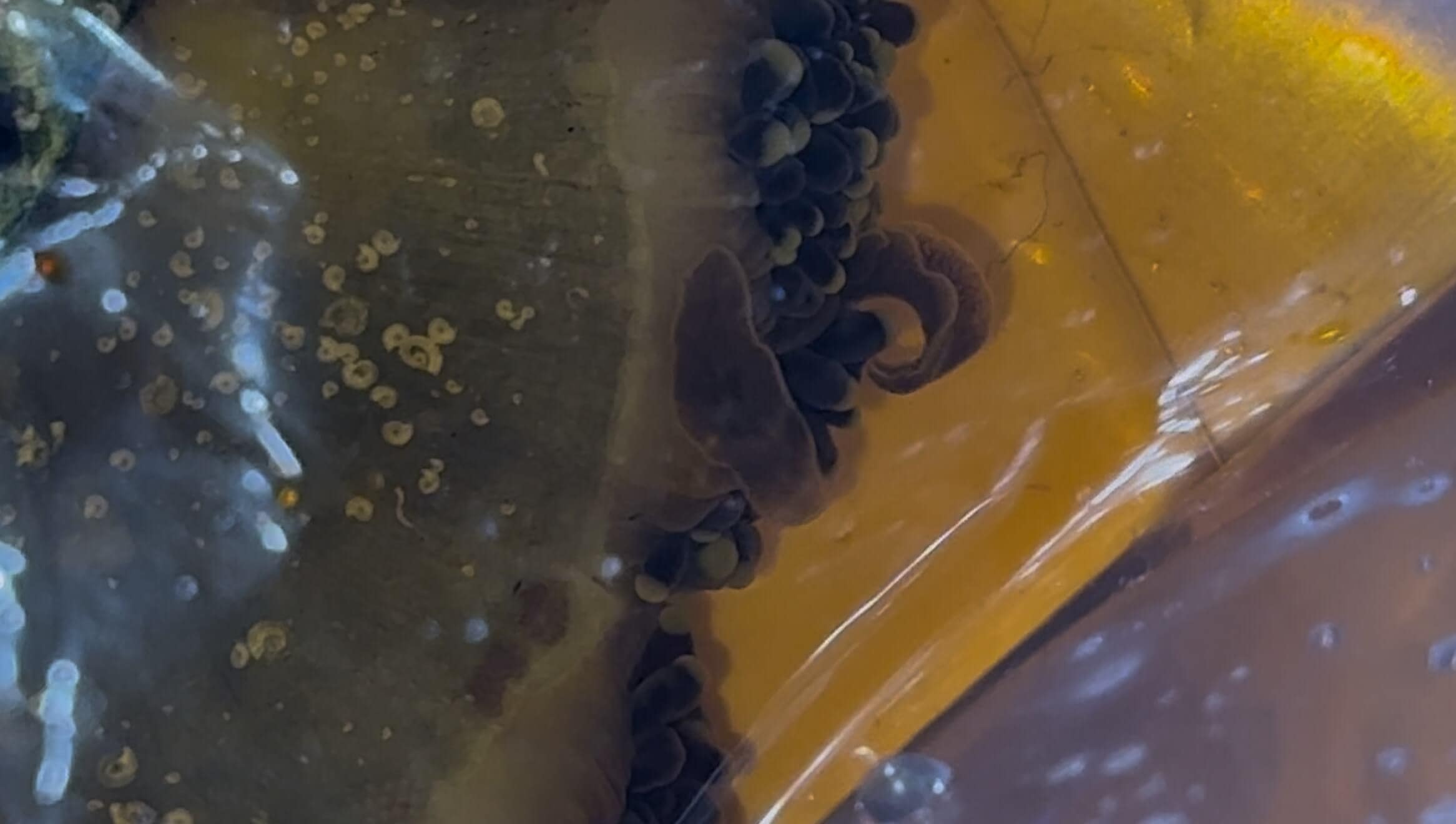
The worms closely match the colour of the fleshband, which is what makes them so easy to miss. The eggs are more distinctive: they cluster in distinct groups, often just beneath the skinband, and are relatively easy to spot once you know where to look. Check the Euphyllia you already own as well. If eggs were introduced on an earlier purchase, you may already have hatched worms among your corals.
Will a coral dip kill euphyllia-eating flatworms?
It will kill or detach the adults, but most dips will not kill the eggs. That is why one dip is never enough to clear an infestation, and why so many keepers think they have beaten the problem only to see it return.
When you dip, focus on inspecting for eggs rather than just the worms. If you find eggs, or even a single flatworm, assume more eggs are hidden somewhere. Dip the affected coral weekly to kill each new generation before it reaches adulthood and reproduces, and keep going until you see no eggs and no adults at all. Bear in mind that flatworms move from coral to coral, so containment matters as much as treatment.
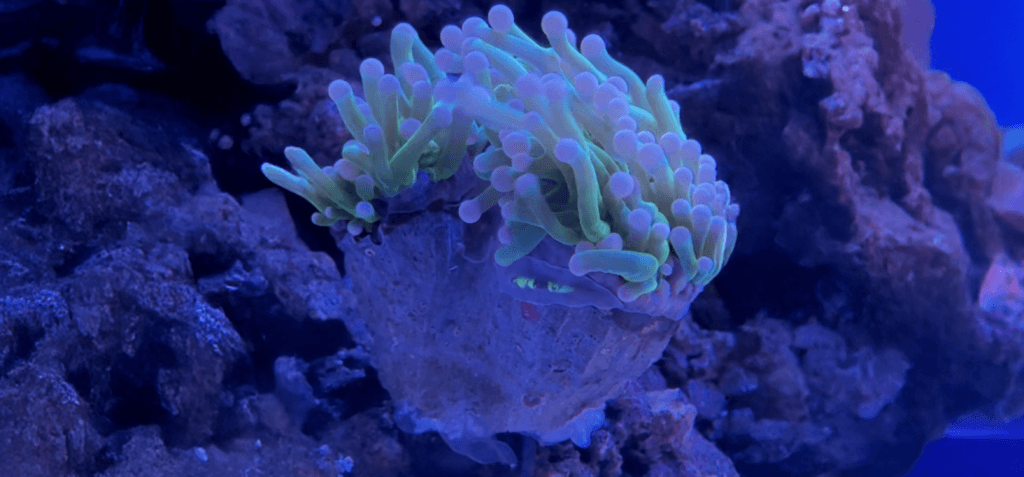
Can a torch coral recover after a flatworm infestation?
Yes, torch corals recover well if the infestation is caught early and the worms are fully eradicated. Aftercare is what makes the difference.
Keep the coral in low flow while it heals. Strong currents worsen exposed areas and can push a stressed coral into polyp bailout. A dip containing iodine, such as Seachem Reef Dip, is worth using here because iodine helps prevent the secondary bacterial infections that develop in damaged tissue, and it allows a more concentrated treatment that flushes out hidden worms other dips miss. Expect some flesh loss where the worms have fed, but with time and stable, low-flow conditions the tissue grows back.