Rotifer Sieve Net 50 Micron: Live Rotifer Feeding Tool
You are running a rotifer culture. The animals are healthy, the density is where it needs to be, and your larval rearing tank or seahorse system is depending on a consistent, reliable live food supply. What happens between the culture vessel and the feeding point determines whether that supply is actually effective.
Live rotifers introduced without concentration scatter immediately in any system with flow. In a larval rearing tank, diluted delivery means larvae encounter prey at low density, which reduces feeding success and slows development. In a display tank or seahorse system, rotifers that drift into high-flow zones are gone before slow or sessile animals can intercept them. The work of culturing is wasted if the delivery is careless.
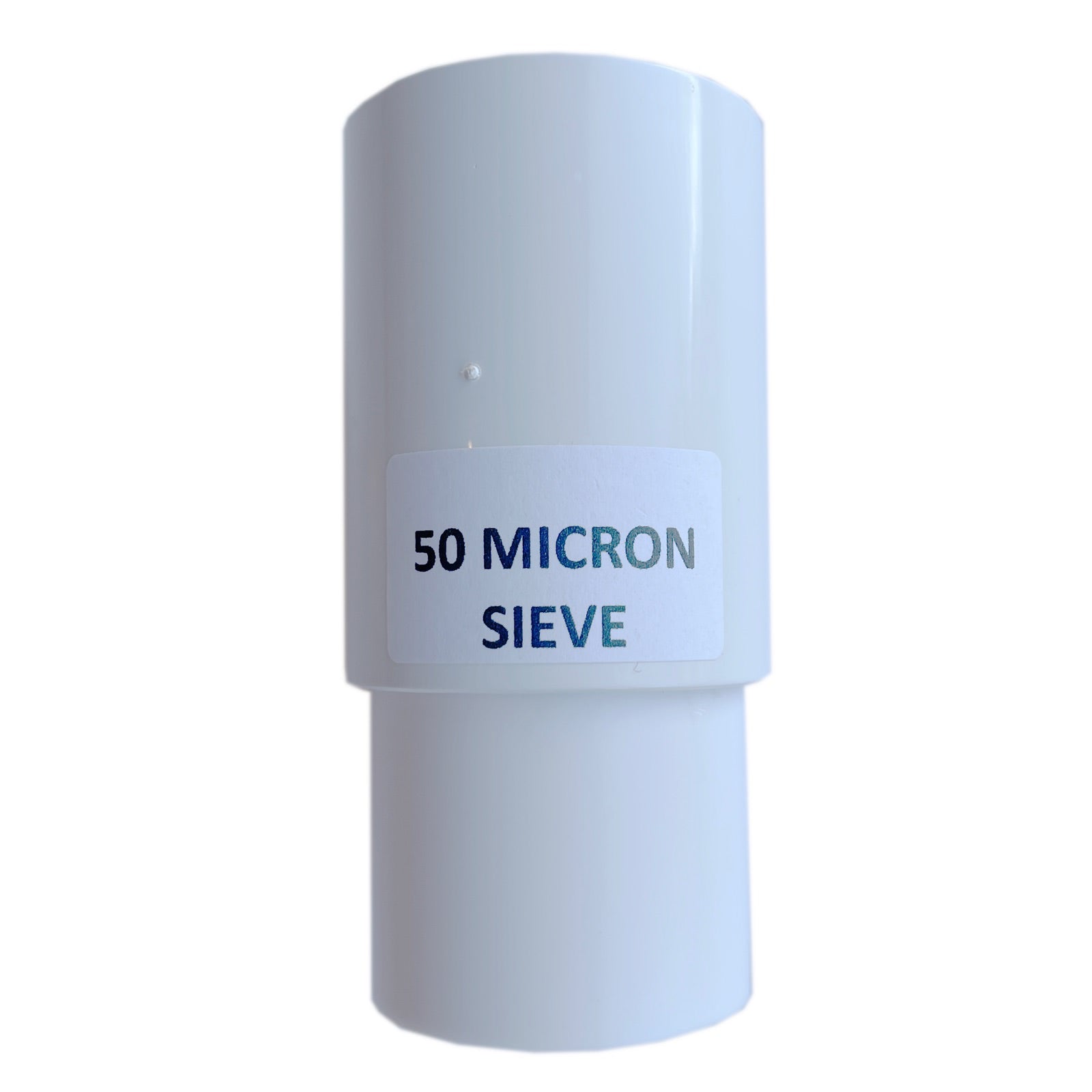
The Reefphyto Rotifer Sieve Net is a 50-micron fine mesh tool designed specifically for live rotifer handling. At 50 microns, the mesh retains Brachionus plicatilis rotifers cleanly while water passes freely, allowing you to concentrate your culture, drain the carrier water, and introduce a dense dose of live animals precisely where larvae or target feeders are positioned. The same sieve is equally effective for rinsing frozen foods before feeding, removing pack liquid that would otherwise add unnecessary nutrients to your system.
With a rotifer sieve in your routine, each feeding becomes a precise, controllable act. You can see the animals concentrated in the net, assess their condition and density at a glance, and release them in a tight cloud exactly where your fish larvae, juvenile seahorses, or filter feeders need them most.
Reefphyto has been culturing Brachionus plicatilis rotifers at our Welsh facility since 2008. The sieve is part of our own production process for handling and portioning live rotifer cultures. If you have questions about your rotifer feeding system or larval rearing setup, Darren responds personally.
Add the rotifer sieve to your feeding toolkit and make every culture count.
Rotifer Sieve Net 50 Micron: Precision Live Rotifer Delivery for Breeders and Seahorse Keepers
A live rotifer culture is one of the most technically demanding live food systems a reef keeper or marine fish breeder can maintain. The effort involved in producing a healthy, dense culture of Brachionus plicatilis is significant. How those animals are delivered to the feeding point, with what precision, at what concentration, determines how much of that effort translates into results. The Reefphyto Rotifer Sieve Net is a 50-micron fine mesh tool designed to make rotifer delivery precise, repeatable, and genuinely effective.
Why Rotifer Delivery Precision Matters
Rotifers are the first live food most marine fish larvae encounter. In a larval rearing tank, the density of prey in the water column at any given moment directly determines how frequently larvae encounter food and how successfully they feed. A larva that encounters prey at low density feeds less often. A larva that feeds less often develops more slowly and has higher mortality. The margin for error in larval rearing is small.
In a seahorse or pipefish system, the same principle applies. These are slow-moving ambush hunters. They depend on prey being present in sufficient density in their immediate vicinity, not dispersed throughout a tank. Concentrated delivery to their specific location gives them a meaningful opportunity to feed. Scattered introduction in a flow-heavy system means prey drifts past before they can respond.
Without a way to concentrate rotifers before introduction, you are working against both the biology of the animals you are feeding and the physics of water movement in your system.
How the 50-Micron Mesh Works for Rotifers
Brachionus plicatilis rotifers are 90 to 360 microns in size. The 50-micron mesh retains rotifers at all life stages while allowing water to pass freely. Pour your culture through, let the carrier water drain, and you are left with a concentrated mass of active rotifers ready to be delivered directly to your target feeding zone. This removes the culture water from the equation, useful when you want to avoid introducing culture medium chemistry or bacterial load into a sensitive larval rearing system.
The same mesh handles frozen food rinsing effectively. The 50-micron weave retains small frozen foods including fine reef blends and brine shrimp nauplii while removing the phosphate-laden pack liquid before it enters your tank.
How to Use the Rotifer Sieve Net
Delivering Live Rotifers to a Larval Rearing Tank
Pour your rotifer culture slowly into the sieve held over a clean container. Allow the carrier water to drain completely through the mesh. You are left with concentrated, active rotifers in the net. Submerge the sieve directly at the feeding point in your larval rearing tank, near the surface for first-feeding larvae, at mid-water for older juveniles, and gently agitate to release a dense cloud of animals into the zone where larvae are actively swimming. This maximises the encounter rate between larvae and prey, which is the single most important factor in early feeding success.
Feeding Seahorses, Pipefish, and Juvenile Animals
For seahorse and pipefish systems, submerge the sieve near the hitching posts or low-flow areas your animals favour, and release rotifers slowly in their immediate vicinity. The concentrated cloud of prey in a small area gives even slow-moving animals adequate time and density to feed successfully. Repeat at multiple points if animals are distributed across the tank.
Concentrating and Assessing Your Culture
Beyond feeding, the sieve is a useful tool for assessing culture health. A small sample concentrated in the net can be examined visually. Animal density, activity level, and overall condition are all immediately apparent. This makes it straightforward to monitor your rotifer culture and catch any decline in condition before it affects your feeding programme.
Sieve Specifications
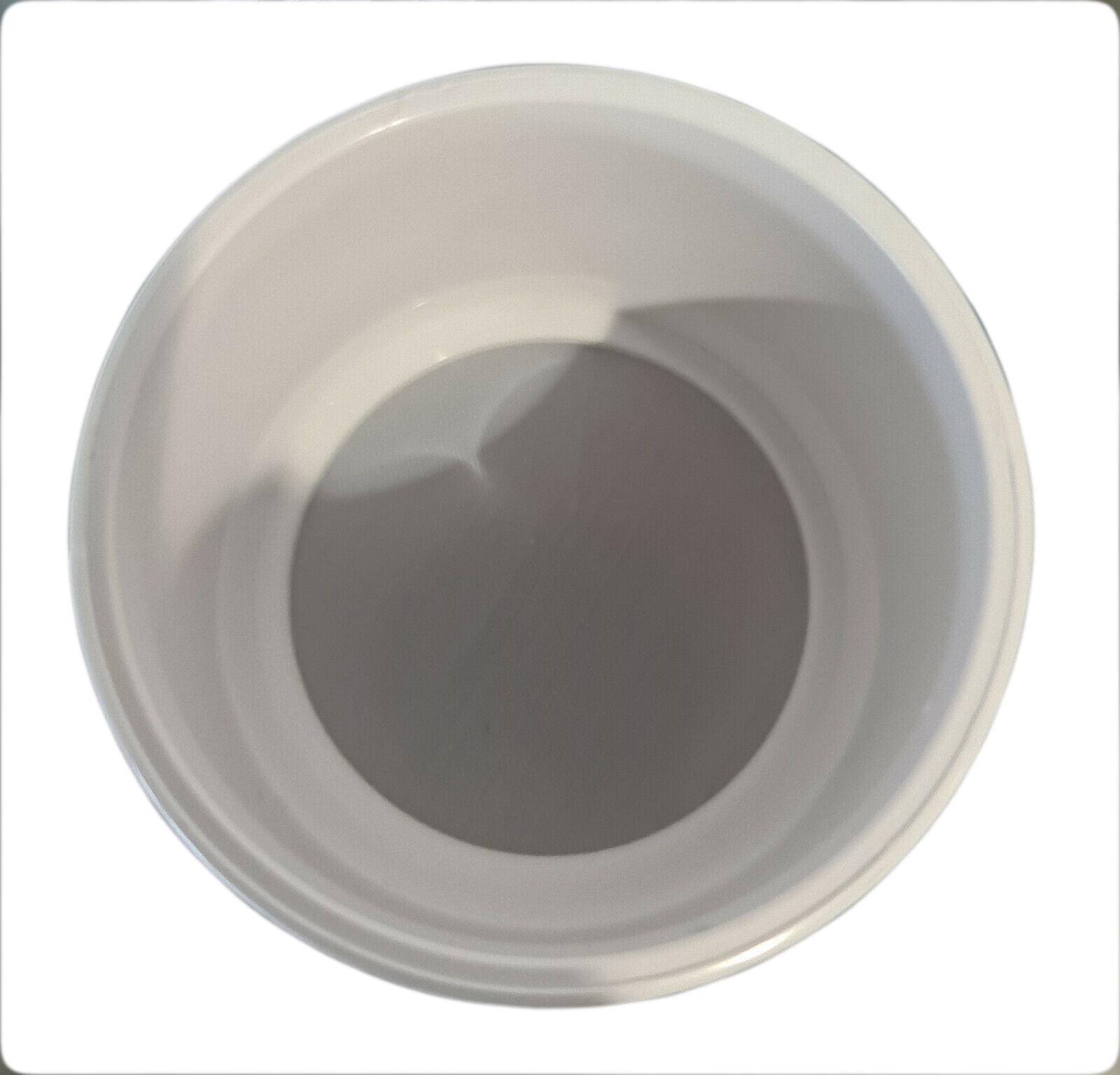
The Reefphyto Rotifer Sieve Net measures 100mm high and 49mm wide with a 50-micron woven mesh base. The compact dimensions allow precise positioning in larval rearing tanks and display systems, with enough volume to hold a meaningful concentrated dose of live rotifers. The mesh is designed for repeated use with both saltwater and freshwater, and handles the regular cleaning routine a production-level rotifer feeding programme demands.
Who the Rotifer Sieve Net Is For
Marine Fish Breeders
For marine fish breeders raising larvae from first feed, the rotifer sieve is an essential part of daily husbandry. Concentrated delivery of Brachionus plicatilis to the surface or mid-water zone of a larval rearing tank maximises feeding success from day one. As larvae develop and transition to larger prey, the sieve remains useful for delivering copepod nauplii and other live foods at the same level of precision.
Seahorse and Pipefish Keepers
Seahorses and pipefish are among the most demanding live food consumers in the reef hobby. Their ambush feeding style means prey density in their immediate vicinity matters more than overall tank concentration. The rotifer sieve allows you to deliver a localised, high-density dose of live rotifers exactly where your animals are positioned, giving them a realistic opportunity to feed effectively at each session.
Keepers of Filter Feeding Invertebrates
Tube worms, feather duster worms, tridacna clams, and other fine filter feeders benefit from concentrated live rotifer delivery directed toward their feeding structures. Broad introduction into a flowing system means most rotifers bypass these animals entirely. A sieve allows you to position the delivery close to the filtration structures and release animals slowly enough for filter feeders to capture them.
Rotifer Culturers Monitoring Culture Health
Any reef keeper running a home rotifer culture will find a sieve useful for routine health checks. Concentrating a sample in the net and examining it visually, noting activity, density, and the presence of gravid females, takes moments and gives you a direct read on culture condition that counting methods alone cannot replicate.
Frequently Asked Questions
Will the 50-micron mesh retain rotifers without losing animals?
Yes. Brachionus plicatilis rotifers range from 90 to 360 microns. The 50-micron mesh retains rotifers at all life stages. Phytoplankton, bacteria, and dissolved nutrients will pass through freely, which means the sieve also functions as a wash tool when you need to separate rotifers from their culture medium before introduction to a sensitive system.
Is this the same as the Reefphyto Copepod Sieve?
The physical sieve is identical, 50 microns, 100mm x 49mm. The Copepod Sieve is listed separately for reef keepers whose primary use is concentrating and delivering live copepods. Many breeders and cultures use one sieve for rotifers and a separate one for copepods to avoid cross-contamination between cultures.
Can I use this sieve to wash rotifers before enrichment?
Yes. Concentrating rotifers in the sieve and rinsing with clean saltwater removes the culture medium before you transfer them into an enrichment vessel. This is standard practice when enriching rotifers with HUFA-rich supplements before feeding to larvae, as it removes the culture bacteria and phytoplankton that would otherwise dilute the enrichment.
How should I clean the sieve between uses?
Rinse thoroughly with fresh water after each use and allow to air dry fully before storing. For production-level use involving multiple daily feedings, a saltwater rinse immediately before each use helps maintain appropriate osmotic conditions for the animals being handled.
Complete Your Rotifer Feeding System
The Rotifer Sieve Net pairs naturally with the full Reefphyto rotifer range. Live Rotifers provide the complete culture volume for established breeding programmes and first-feed larval systems. Roti-Shot offers a convenient ready-to-use dose when you need live rotifers on demand without the full culture preparation. The Rotifer Culture Kit provides everything needed to establish and maintain a home rotifer culture from scratch. For breeders running both copepod and rotifer programmes, the Copepod Sieve provides the same precision handling for your copepod feeding routine.

 Roll over image to zoom in



 Darren Wordley
18 years culturing live phytoplankton in Wales
Darren Wordley
18 years culturing live phytoplankton in Wales
 Cultured in Wales, shipped live.