Live Copepods UK: Tigriopus californicus, Cultured Fresh in Wales by Reefphyto
Your reef looks right on paper. Clean water, stable parameters, good equipment. But something is still off. Your fish are pale, your mandarin is wasting, your corals are feeding inconsistently. The test kit will not show you what is missing.
The problem is almost never the water. It is what is in the food chain. Marine reef fish evolved over millions of years to hunt live zooplankton, specifically copepods, and no frozen cube or dried flake can replicate what a living, moving prey organism delivers. Every week without live food is a week your tank is working against its own biology.
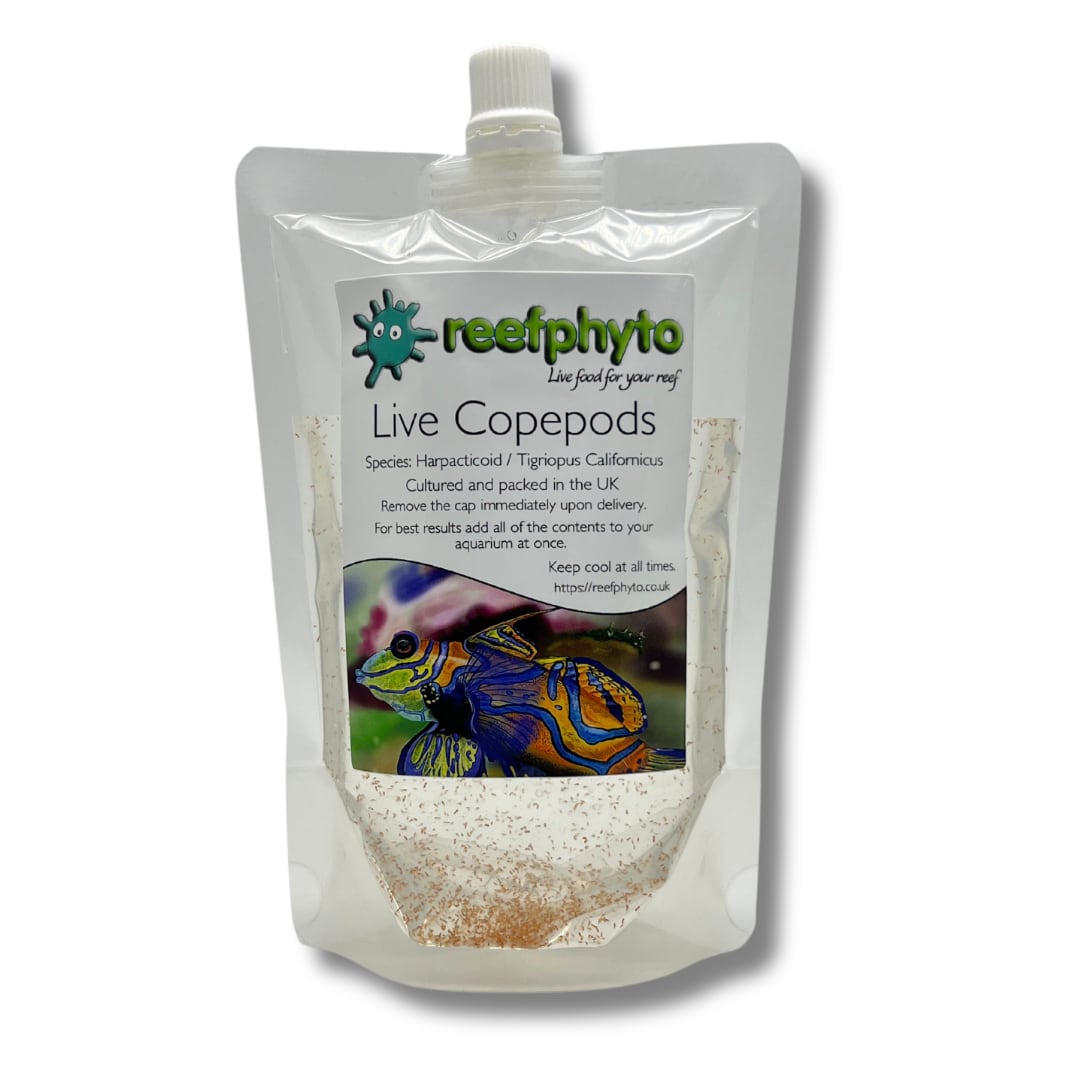
Reefphyto Live Copepods are Tigriopus californicus, a harpacticoid species measuring 1 to 3mm, chosen for their hardiness, nutritional density, and ability to establish a self-sustaining, reproducing population in a refugium. Rich in EPA, DHA, astaxanthin and essential amino acids, they are the closest thing to a wild reef diet available to UK keepers. Dose at 1ml per 9 to 27 litres depending on predation pressure, or introduce the full culture directly to your refugium for long-term population establishment. Available in 100ml, 250ml, 500ml and 1000ml.
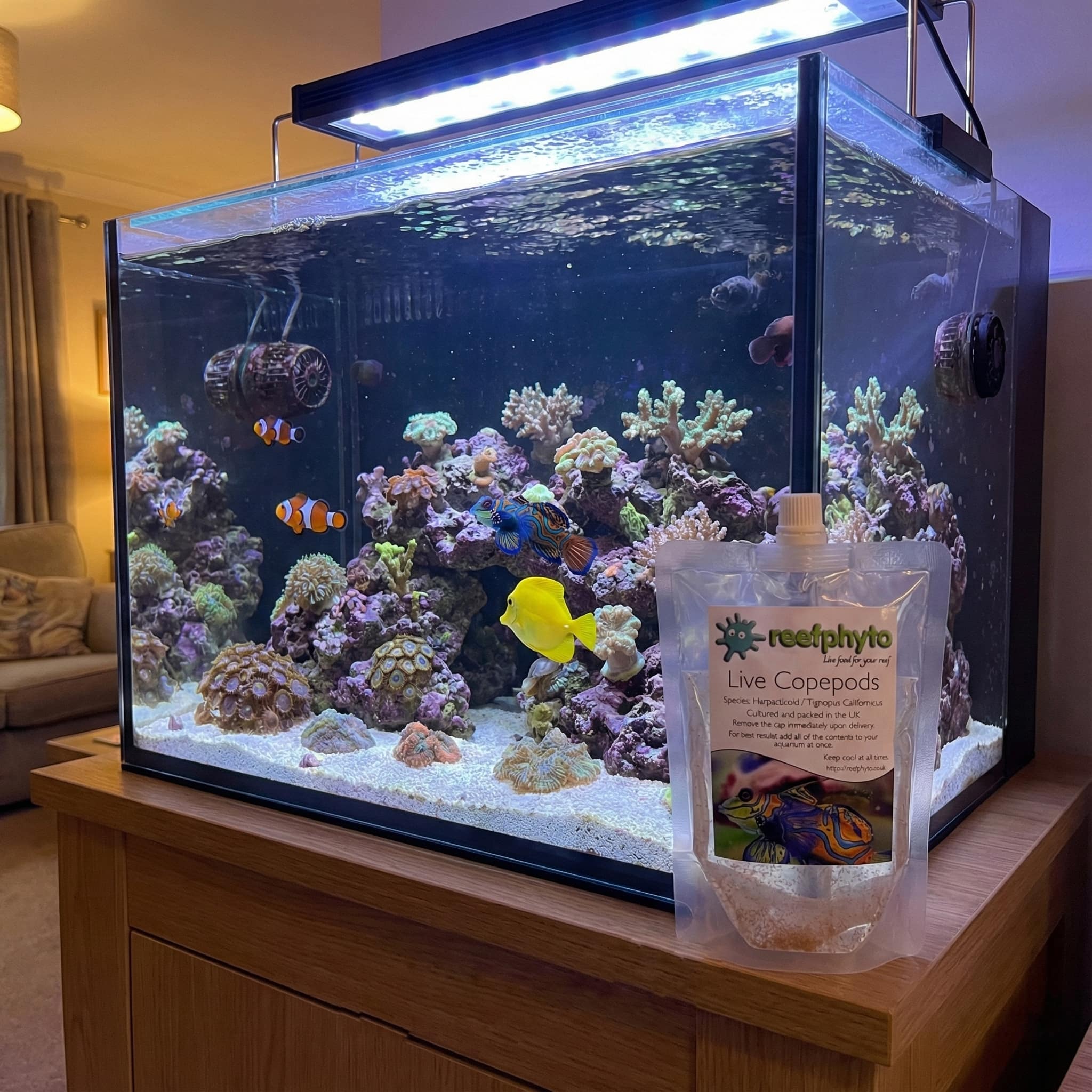
Picture your mandarin working the rockwork with purpose, hunting rather than hiding. Your pipefish intercepting prey mid-water instead of hovering passively near the surface. Your corals fully extended, feeding tentacles out, responding to live prey in the water column the way they evolved to. The difference between a tank that looks like an aquarium and one that feels like a piece of real ocean.
Reefphyto has been culturing live marine foods from our specialist facility in Wales since 2008, 18+ years of continuous production. We have helped thousands of reef keepers across the UK close the nutrition gap, and Darren is available personally if you want advice on quantities, refugium setup, or finding the right approach for your specific system.
Add your size below and feed your reef the way nature intended.
If your mandarin, pipefish, or wrasse is refusing frozen food and slowly declining, adding live copepods to your refugium is the right decision.
What Are Live Copepods and Why Does Your Reef Need Them?
Copepods are small crustaceans found in virtually every body of water on Earth. In marine environments they are among the most abundant and ecologically significant organisms in existence, forming the critical link between primary producers like phytoplankton and the fish, corals, and invertebrates that depend on zooplankton for nutrition.
In the wild, the reef fish that keep aquarists awake at night, mandarin dragonets, scooter blennies, leopard wrasses, spend their entire lives hunting copepods. They are not incidental feeders occasionally supplementing a varied diet. They are obligate live feeders, built physiologically and behaviourally to pursue, capture and consume living zooplankton continuously throughout the day. Without a reliable supply of live copepods in the system, these fish cannot meet their nutritional requirements regardless of what else is offered.
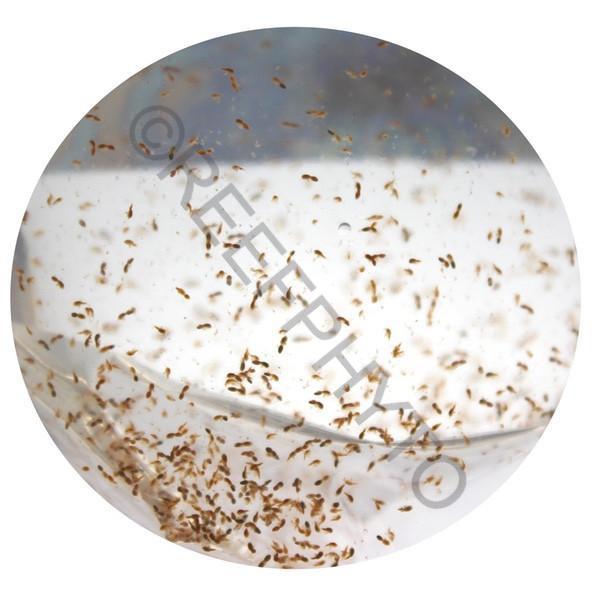
Reefphyto stocks Tigriopus californicus, a harpacticoid copepod and one of the most widely respected species in marine aquaculture. Adults measure 1 to 3mm, making them visible to the naked eye and large enough to satisfy the hunting instincts of the species that depend on them most.
Why Mandarin Dragonets and Finicky Feeders Need Live Copepods
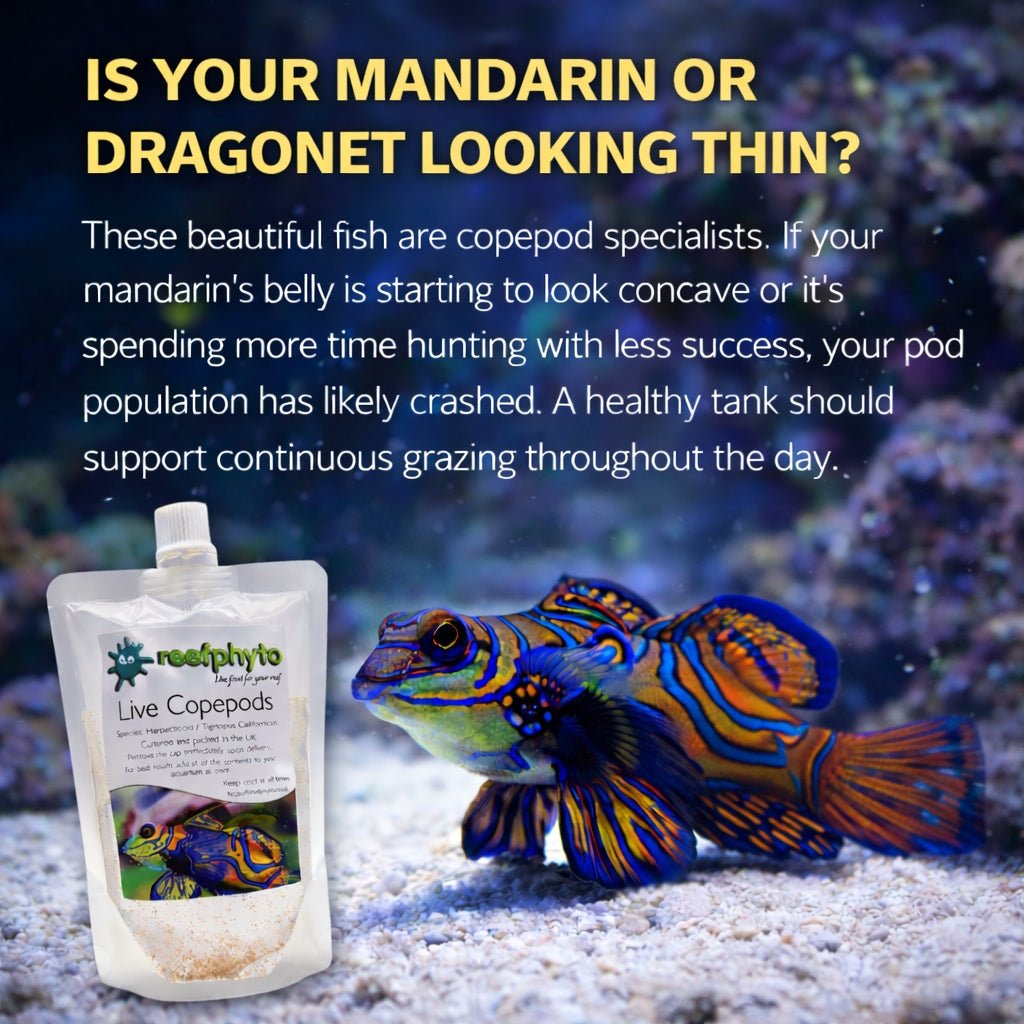
The mandarin dragonet is one of the most sought-after fish in the reef hobby and one of the most commonly lost. The reason is almost always the same: inadequate live food. Mandarins are obligate live feeders that will not accept dead, frozen or dried food under normal circumstances. In the wild they hunt copepods continuously, consuming hundreds of individuals per hour across a territory of several square metres of reef.
Replicating this in captivity requires one thing above all others: a refugium with a dense, self-sustaining live copepod population. When Tigriopus californicus is introduced to a refugium at sufficient density and supported with a regular phytoplankton food source, the population establishes and begins reproducing. Copepods migrate from the refugium into the display tank continuously, providing the mandarin with the natural, ongoing food supply it needs to maintain condition and thrive long-term.
The same principle applies to other difficult-to-feed species. Seahorses and pipefish are active predators that require live moving prey to feed with confidence. Leopard wrasses and many small planktivorous fish are adapted to hunt live zooplankton as their primary food source. Anthias are high-metabolism fish that benefit enormously from a continuous live food presence in the water column. For all of these species, live copepods in a well-managed refugium are the single most impactful change a keeper can make.
What Makes Tigriopus californicus the Right Copepod for Your Reef
Not all copepod species perform equally in aquarium conditions. Tigriopus californicus has several characteristics that make it particularly well suited to reef tank use.
It is naturally found in supralittoral rock pools, environments that experience extreme fluctuations in temperature, salinity and water quality that would be lethal to most marine organisms. This background gives Tigriopus californicus a resilience that translates directly into aquarium performance. It tolerates the parameter variations that occur in real-world reef systems without the population crashes that can affect more sensitive copepod species.
It is also highly productive. Females produce large clutches of eggs and under good conditions the population grows rapidly, providing a renewable food source that does not need constant manual replenishment once established. It is a benthic, substrate-associated species that naturally colonises live rock, sand beds and refugium substrate, making it well suited to establishing in the physical structure of a reef system.
Nutritionally, Tigriopus californicus is rich in EPA, DHA, astaxanthin and essential amino acids. The carotenoid content is particularly relevant for colour. Keepers regularly report visible improvements in the coloration of mandarin dragonets, wrasses and other species within weeks of establishing a functioning live copepod system.
The Benefits of Live Copepods Beyond Feeding Finicky Fish
Coral Nutrition and Polyp Extension
Corals are not passive photosynthesisers. They are active predators that extend their feeding tentacles to capture zooplankton from the water column. Live copepods in the water column trigger this feeding response in a way that frozen or dried alternatives cannot match. SPS corals in particular benefit from regular live zooplankton exposure, showing improved polyp extension, faster growth and stronger coloration when live prey is consistently available.
Natural Detritus and Algae Management
Tigriopus californicus is a detritivore and microalgae grazer. A healthy copepod population actively processes organic waste and grazes on nuisance microalgae, contributing to the cleanliness and balance of the system. Keepers with established copepod populations consistently report cleaner live rock, less detritus accumulation in the sand bed and reduced nuisance algae growth compared to systems running without a live copepod community.
Refugium Biodiversity and Ecosystem Stability
Introducing live copepods to a refugium does more than provide food for the display tank. It begins the process of building a genuine microfauna community, one of the most reliable indicators of a mature, healthy reef system. A refugium with a thriving copepod population provides ongoing ecological services to the whole system: nutrient processing, continuous prey for the display tank, and a biological buffer that contributes to the stability and resilience of the reef over time.
How to Add Live Copepods to Your Reef Tank
When your culture arrives, add it to your system on the day of delivery. Pour the culture directly into your refugium if one is present, as this provides a protected space for the population to establish away from immediate predation in the display tank. If your system does not have a refugium, add to the sump with the protein skimmer turned off for one to two hours, or add directly to the display tank after lights out when fish activity is lower.
For tanks with heavy copepod predation from mandarin dragonets, wrasses or anthias, a refugium is strongly recommended. Without a protected establishment space, copepods added directly to the display tank will be consumed immediately and the population will never reach a self-sustaining level.
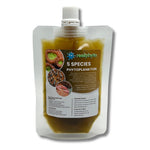
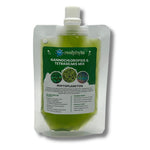
To maintain and grow your copepod population, supplement regularly with Reefphyto 5 Species Live Phytoplankton. Tigriopus californicus feeds on microalgae and detritus, and a reliable phytoplankton addition ensures the population has the food source it needs to reproduce consistently.
How Many Live Copepods Does Your Tank Need?
The right quantity depends on your tank size, refugium volume and the predation pressure in your system.
For general dosing into an established reef, use 1ml per 27 litres for light predation, 1ml per 18 litres for medium predation, and 1ml per 9 litres for heavy predation or tanks with obligate live feeders present.
For refugium establishment, smaller reef systems up to 200 litres benefit from 250 to 500ml at initial introduction, with monthly top-ups of 100 to 250ml during the first two to three months. Larger systems of 400 litres and above typically require 500 to 1000ml at introduction, with ongoing monthly additions until the population is visibly self-sustaining.
For tanks with mandarin dragonets or other obligate live feeders, more frequent additions during the first two to three months will build the population to a level where self-sufficiency becomes realistic. After that, monthly or quarterly top-ups maintain numbers and reintroduce fresh genetic diversity to the culture.
Frequently Asked Questions About Live Copepods
Will live copepods survive in my tank?
Yes, provided your tank is a stable marine system with appropriate salinity and temperature. Tigriopus californicus is one of the most robust copepod species available and tolerates the parameter variations typical of real-world reef systems. Introduce them to a refugium wherever possible to give the population the best chance of establishing before entering the display tank.
How long does it take to establish a self-sustaining copepod population?
This depends on refugium size, available food and predation pressure from the display tank. With regular phytoplankton feeding and a well-structured refugium, most keepers see meaningful population establishment within six to eight weeks of initial introduction. Monthly top-ups during this period significantly accelerate the process.
My mandarin is not eating. Will live copepods help?
In most cases, yes. A mandarin that is refusing food is almost always doing so because it cannot find sufficient live prey in the system. Introducing a large volume of live copepods directly to the display tank will often produce an immediate feeding response as the mandarin detects and pursues them. Long-term, a refugium-based copepod system is the only reliable way to keep a mandarin in good condition. Darren is happy to advise on refugium setup and stocking volumes for mandarin keepers specifically.
Can I culture live copepods at home?
Yes. Our Copepod Culture Kit contains everything needed to maintain a home culture of Tigriopus californicus. Many reef keepers run a home culture alongside regular top-ups from Reefphyto to ensure a continuous, cost-effective supply. Our Copepod Feed supports the four-species phytoplankton diet that sustains a healthy culture.
How are the copepods packaged and how long do they stay viable in transit?
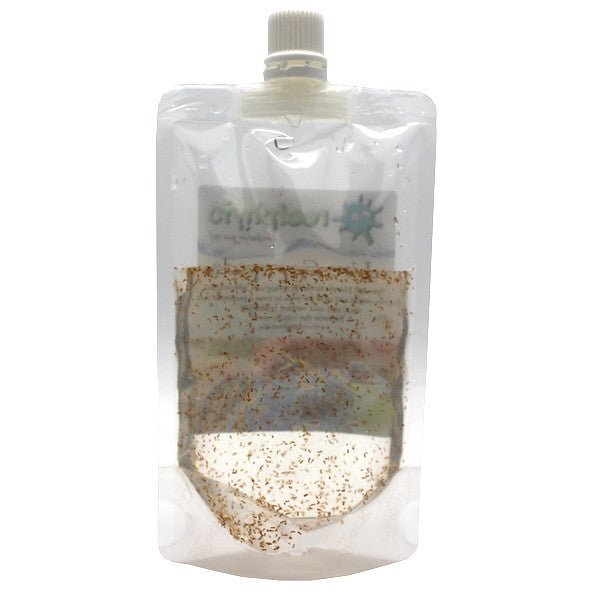
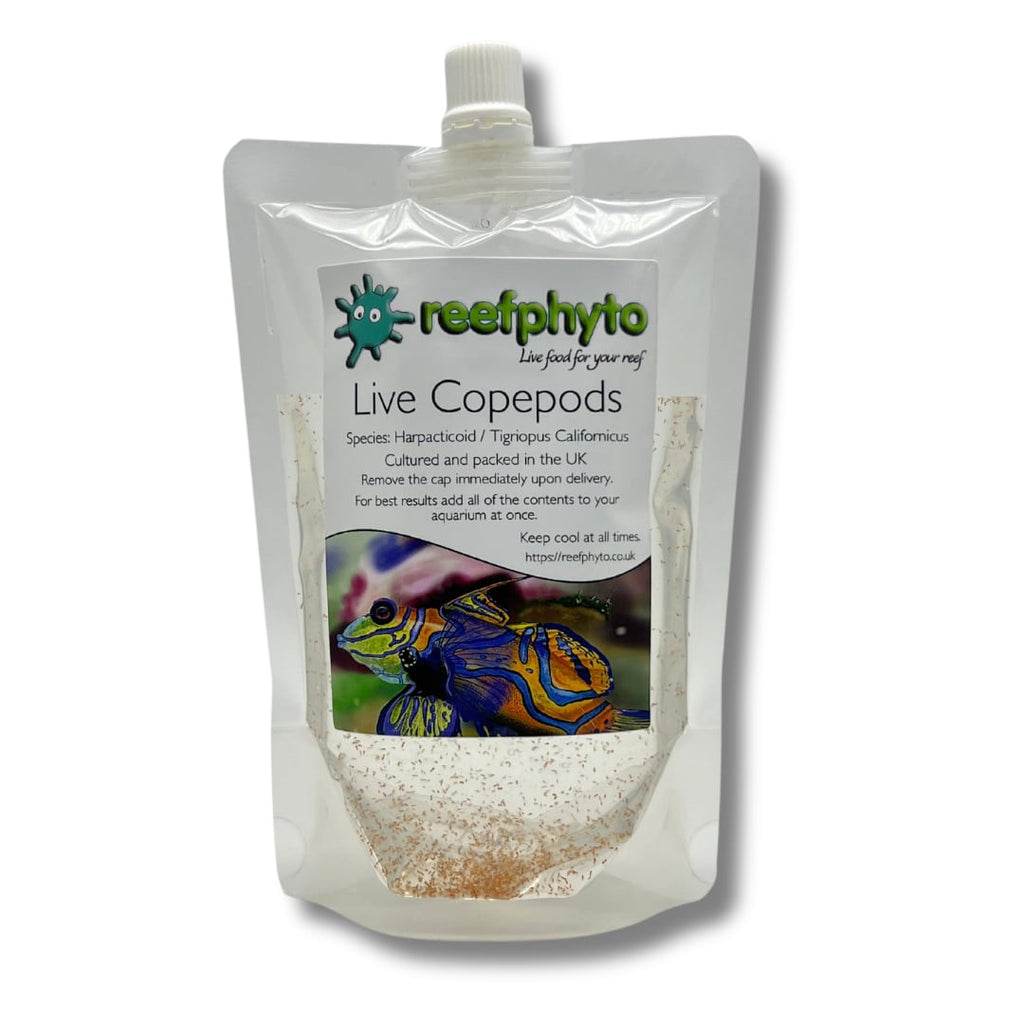
Your copepods are dispatched live in sealed, oxygenated packaging, prepared fresh on your dispatch day. Live copepods are shipped concentrated (with reduced water volume) to maximise oxygen availability during transit and ensure viability. The full copepod count is present. Simply add to your tank or refugium with your own saltwater. They remain viable for up to five days in transit under normal conditions.
Complete Your Live Food System
Live copepods perform best as part of a complete live nutrition programme. Reefphyto 5 Species Live Phytoplankton sustains your copepod population and directly feeds corals and filter feeders. Live Zooplankton combines copepods and rotifers for broad-spectrum live nutrition across the full particle size range. Live Rotifers provide smaller-particle first-feed nutrition for fish larvae, juvenile seahorses and coral polyps that cannot yet capture copepods. For keepers who want live food without the management of a refugium culture, Pod-Shot delivers a concentrated ready-to-use copepod addition with no preparation required.





 Cultured in Wales, shipped live.