
Quick Navigation
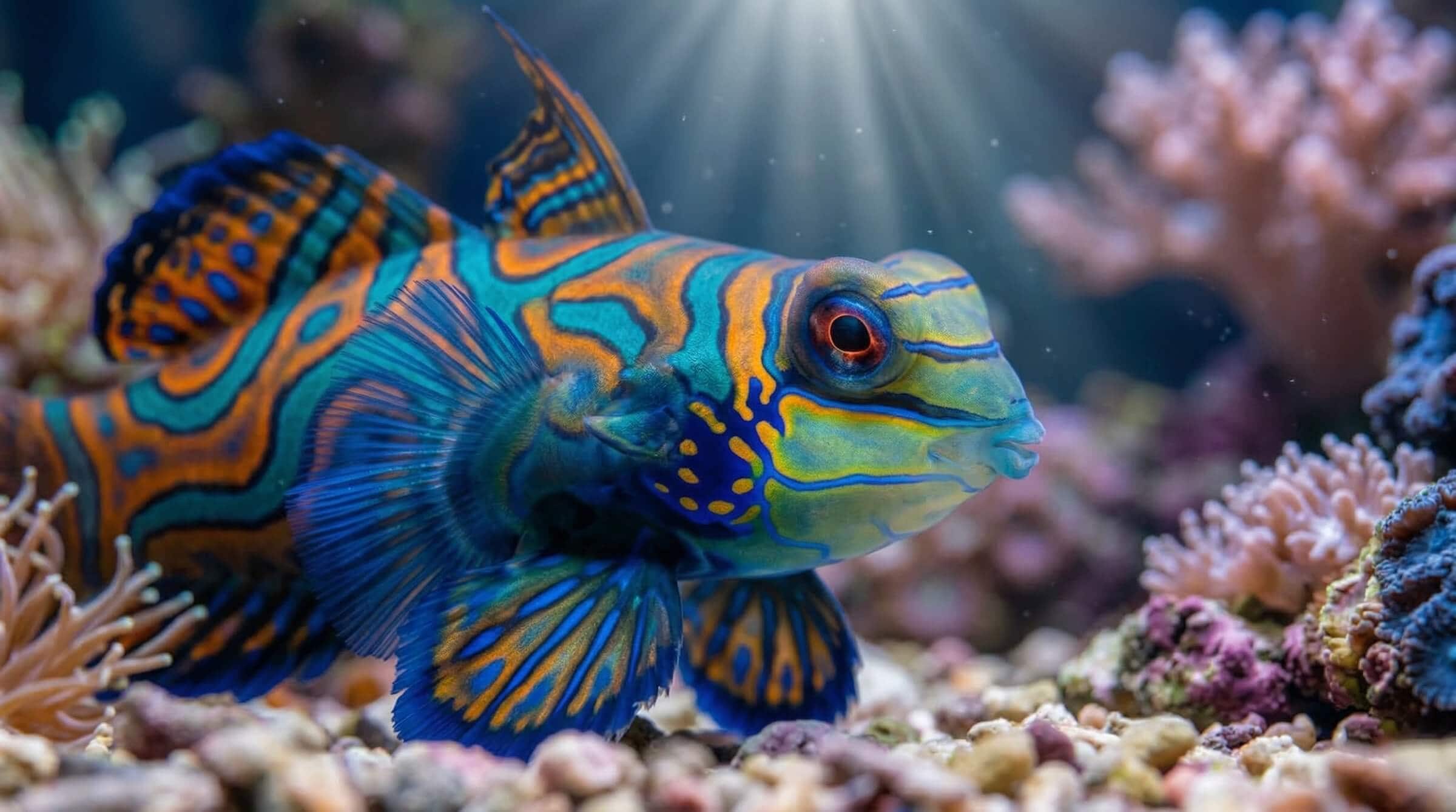
If you've ever lost a mandarin goby, you already know the feeling. They're arguably the most beautiful fish in the hobby - painted in electric blues and tangerine swirls, gliding through rockwork like something out of a fever dream. And then, quietly, they disappear. Good mandarin goby care isn't complicated once you understand what these fish actually need - but most keepers find that out too late. It usually happens within the first few months. Sometimes sooner.
After 18 years running a marine aquaculture business and keeping these fish personally, I can tell you that it doesn't have to go that way. The mandarin's reputation for being impossible is almost entirely earned through avoidable mistakes - most of them made before the fish even enters the tank. That's what this post is about. And it's why I wrote the Keeping Mandarins Alive eBook series.
The Problem Isn't the Fish - It's the Setup
Mandarin gobies (Synchiropus splendidus) are not fragile animals in the wild. They thrive in the Indo-Pacific, living quietly in shallow lagoons and rubble zones, picking copepods off the substrate all day long. In the right conditions, they're perfectly hardy. The trouble is that "the right conditions" are quite specific - and the average new reef tank almost never meets them.
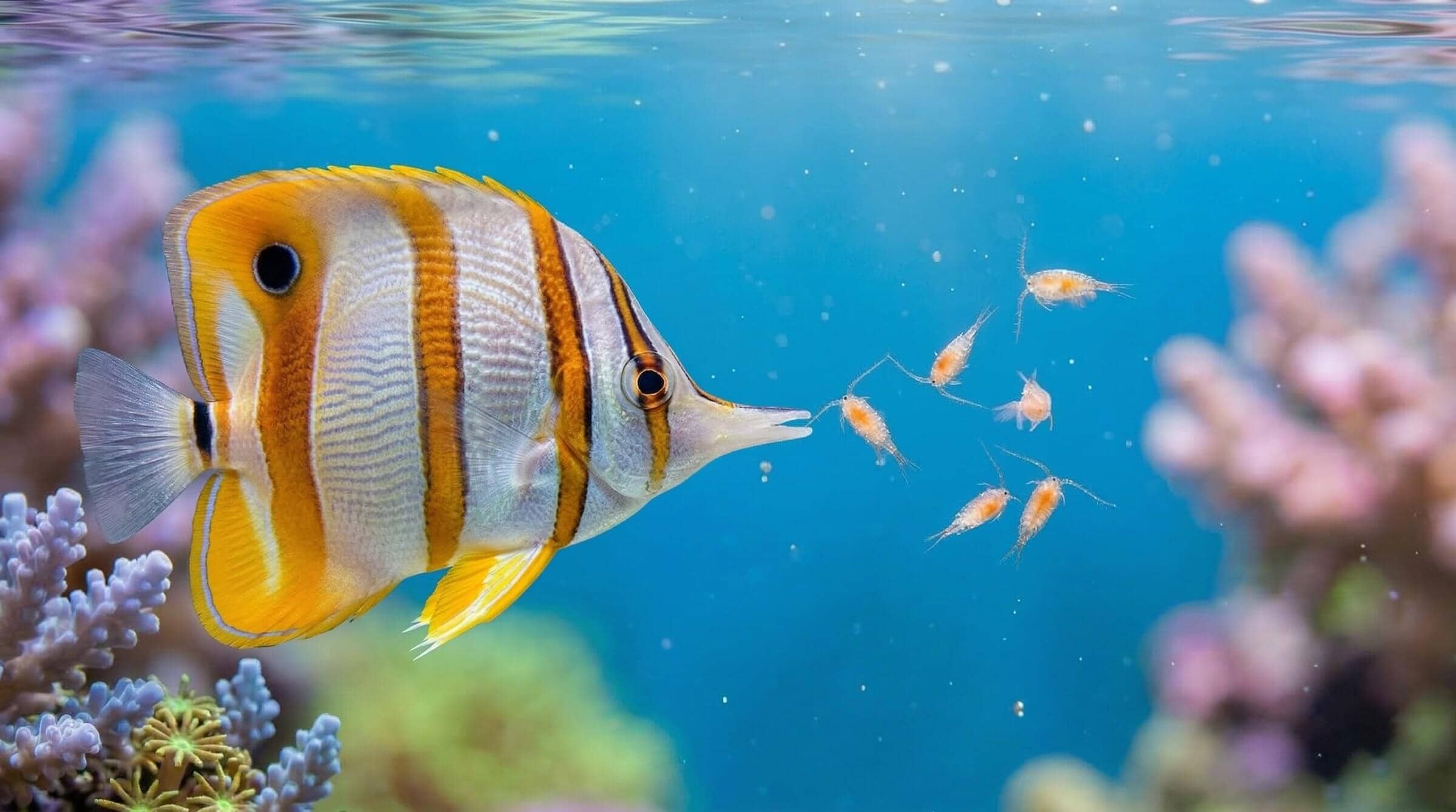
The single biggest killer in mandarin goby care is starvation. Not the dramatic, visible kind - the slow, invisible kind. Mandarins are obligate micropredators. In the wild, they're grazing on tiny live crustaceans - primarily copepods - for most of their waking hours. A typical reef tank, even a healthy one, simply doesn't produce enough copepod biomass to sustain one long-term. The fish looks fine for a while, burning through reserves, and then one morning it's gone.
The second biggest problem is rushing. People fall in love with the fish in the shop, bring it home to a tank that isn't ready, and hope for the best. Hope isn't a husbandry strategy. Mandarins need an established, mature system with a functioning live food ecosystem - and that takes time to build deliberately.
The mandarin's reputation for being impossible is almost entirely earned through avoidable mistakes - most of them made before the fish even enters the tank.
What Getting It Right Actually Looks Like
I've seen mandarins kept successfully for five, six, even seven years or more. Those aren't lucky cases. They're the result of keepers who understood a few non-negotiable principles and built their system around them from the start.
Here's what separates a mandarin that thrives from one that slowly declines:
- A mature, copepod-rich system - not a new tank. Copepods need time to establish, and they need refugia or dedicated culture vessels to reach sustainable densities.
- A live food top-up strategy - regular addition of live copepods to replenish what the fish consumes. This isn't optional in most systems; it's the backbone of long-term mandarin goby care.
- The right fish to begin with - a healthy, alert individual (ideally captive-bred) that is feeding confidently and not showing signs of starvation when you collect it.
- A tank that's appropriately sized and stocked - mandarins are shy, slow feeders. Aggressive tankmates and chaotic feeding environments work against them.
- Patience with food training - while live copepods should always be the foundation, a mandarin that also accepts frozen mysis or prepared foods has a significant survival advantage. It can be done, but it takes the right approach and timing.
None of this is beyond a committed hobbyist. It just requires doing things in the right order, with the right information. If you want to go deeper on the live food side of things, our live copepod cultures are a good place to start building that foundation.
Why I Wrote the Keeping Mandarins Alive Series
Honestly? Because I got tired of watching people repeat the same mistakes. We sell live copepods, phytoplankton, and rotifers to reef keepers across the UK, and the conversations I have are the same ones over and over: "My mandarin has stopped eating." "I've had him three months and he's looking thin." "I lost my second one - am I just not cut out for this?"
You're cut out for it. You just need the right roadmap for mandarin goby care.
The Keeping Mandarins Alive series is three focused guides that take you from initial setup all the way through to long-term care and troubleshooting. Each one stands on its own, but together they cover everything:
- Guide 1 - The Right Start covers tank requirements, how to source a healthy fish, the captive-bred vs wild-caught question, compatibility, and the critical first 30 days. Most losses happen in this window. Getting this phase right changes everything.
- Guide 2 - Feeding Mandarins That Refuse to Die goes deep on the live food system - how to seed and sustain copepod populations, how rotifers and phytoplankton support the ecosystem, and how to approach the transition to frozen and prepared foods without stressing the fish.
- Guide 3 - Long-Term Care and Troubleshooting covers health, disease recognition, breeding, and what it actually takes to keep a mandarin for five years or more. This is where the difference between a two-year fish and a seven-year fish gets made.
The writing is practical and direct. I've written it the way I'd explain it to someone standing next to me at the tank - not as a textbook, not as a sales document, but as honest guidance from someone who has spent a long time getting mandarin goby care right professionally.
Complete Mandarin Keeper's Library - All Three Guides Bundle

£14.99
£19.99
Complete Mandarin Keeper's Library: All Three Guides Bundle Three guides. One complete system. Everything between the moment you decide to keep a mandarin and the moment it reaches year seven. The Complete Mandarin Keeper's Library brings together all three guides… read more
The Blog and the Books: Two Different Things
You'll find useful content on this blog - articles about copepod culturing, phytoplankton, refugia management, and reef keeping in general. That's not going away. But a blog post has limits. It can introduce a concept, flag a common mistake, point you in the right direction.
The guides do something different. They give you a complete, sequenced picture - the full reasoning behind each recommendation, the things that don't fit neatly into a 1,000-word article, and the kind of detail that only comes from years of hands-on experience with these specific animals. If you're serious about mandarin goby care long-term, the series is the most direct route to getting there.
Guide 1 - The Right Start - is the place to begin, whether you already have a mandarin or you're planning to get one. If you've already got the basics covered and your main concern is feeding, start with Guide 2. And if you want all three, the bundle is the best value.
The mandarin goby is not an impossible fish. It's a demanding fish - one that asks you to think carefully about your system, your food supply, and your approach. But done right, it's one of the most rewarding animals you can keep in a reef tank. The colour doesn't fade. The behaviour stays fascinating. And when you see one that's been in your system for four or five years, still hunting confidently through the rockwork, you'll know exactly why it was worth the effort.
I hope the guides help you get there.
- Darren, Reefphyto
The Keeping Mandarins Alive series is available now. You can pick up individual guides or the complete bundle. If you have questions before buying, feel free to get in touch - I'm happy to help you work out which guide is the right starting point for where you are.
Frequently Asked Questions
How hard is mandarin goby care really?
Mandarins aren't delicate animals - they're demanding ones. The challenge is almost entirely about food. If your tank can sustain a steady supply of live copepods, and you source a healthy fish to begin with, mandarin goby care becomes much more manageable than their reputation suggests.
What do mandarin gobies eat?
In the wild, mandarins feed almost exclusively on tiny live crustaceans - primarily harpacticoid copepods. In captivity, replicating this diet with live copepods is the foundation of successful mandarin goby care. Some fish can be trained to accept frozen mysis or prepared foods over time, which provides a useful safety net.
How big does a tank need to be for a mandarin goby?
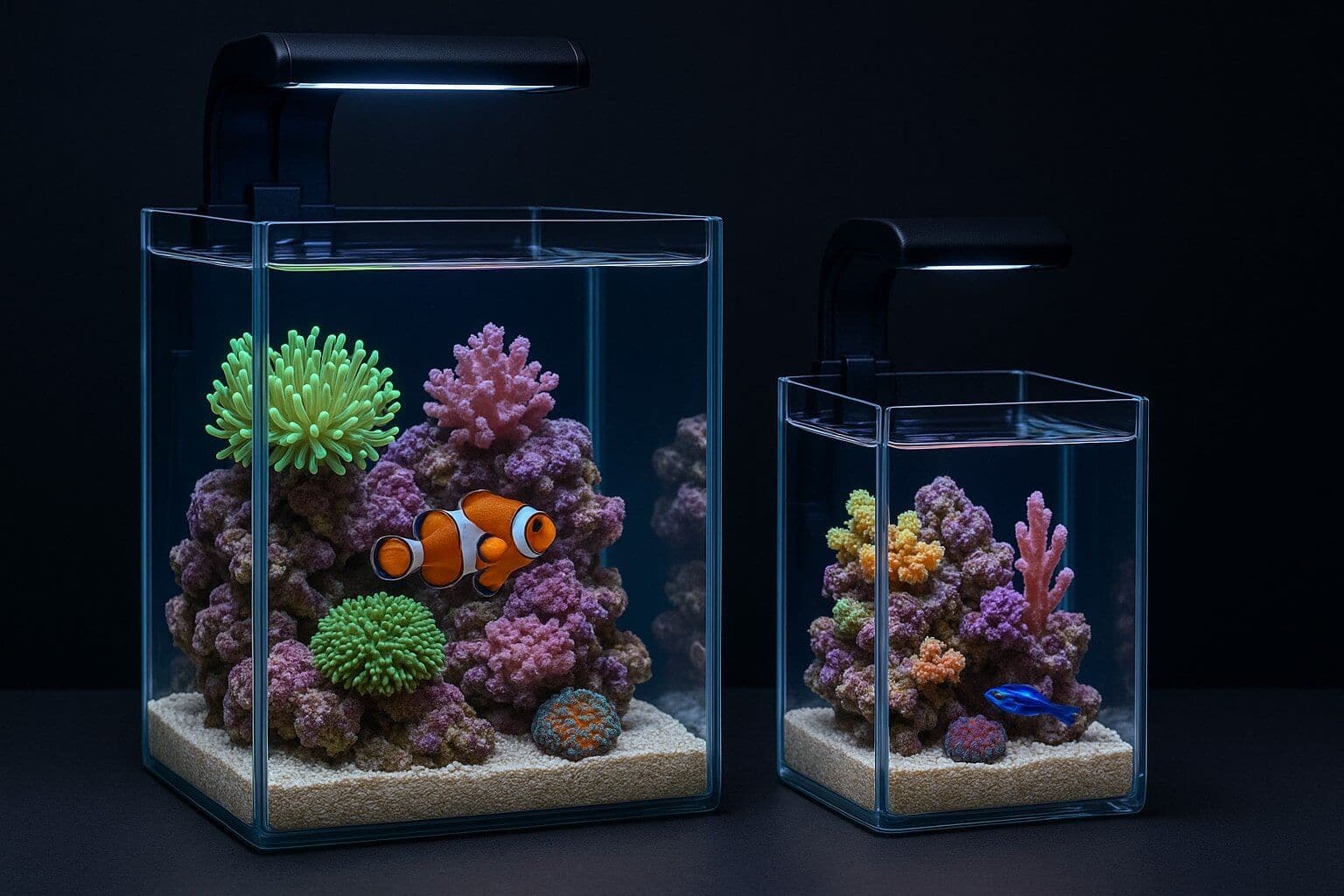
A minimum of 200 litres is a sensible starting point, though larger is better - not because mandarins need swimming space, but because a larger tank supports a bigger, more stable copepod population. Tank size is a food supply question as much as a space question.
Can mandarin gobies be kept with other fish?
Yes, but compatibility matters. Mandarins are slow, passive feeders and do poorly with aggressive or fast-moving tankmates that compete for food. Peaceful reef fish make the best companions. Avoid dottybacks, larger wrasses, and anything likely to harass a small, slow-moving goby.
How long do mandarin gobies live?
In the wild, mandarins can live 10-15 years. In captivity, two to three years is common - but that reflects poor husbandry, not the animal's natural lifespan. With the right mandarin goby care approach, five to seven years in a home aquarium is entirely achievable.
What's the difference between captive-bred and wild-caught mandarins?
Captive-bred mandarins are generally hardier, less stressed, and - crucially - more likely to already accept prepared or frozen foods. Wild-caught fish can absolutely thrive, but they require more careful acclimatisation and are often more insistent on live prey. For beginners, captive-bred is the lower-risk choice.