Decapsulated Brine Shrimp Eggs - No-Hatch Artemia Food
Brine shrimp nauplii are one of the most widely used live foods in marine fish keeping. But getting them into the tank requires hatching eggs, separating nauplii from shells and unhatched cysts, and working around a 24-hour production cycle that does not always align with when the fish actually need feeding. On a day when the hatching cone did not produce a clean hatch, or when you need a second feeding before the next batch is ready, the gap between wanting to feed and having something useful to feed is a familiar frustration.
The nutritional case for decapsulated eggs over hatched nauplii is also often overlooked. When a brine shrimp egg hatches, the nauplius consumes its own yolk sac reserves to fuel the hatching process. By the time it is fed to fish, a portion of that energy has already been spent. Decapsulated eggs, Artemia cysts with the outer shell chemically removed have not undergone this energy expenditure. The full yolk content is intact and available at the moment the fish consumes them, making them nutritionally denser per gram than an equivalent quantity of freshly hatched nauplii.
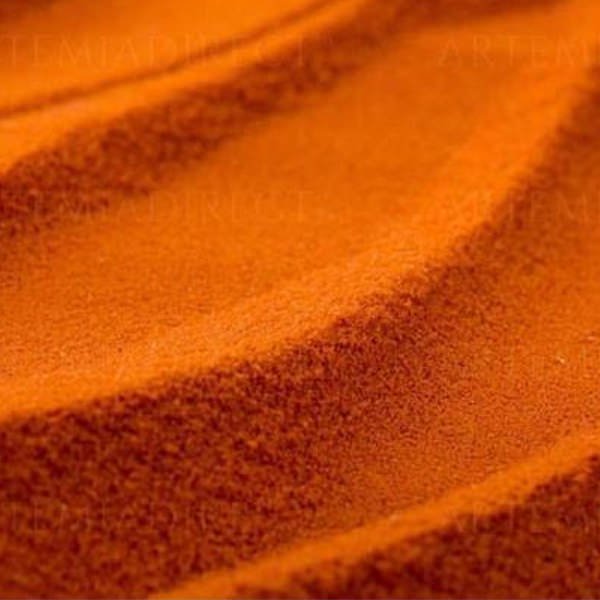
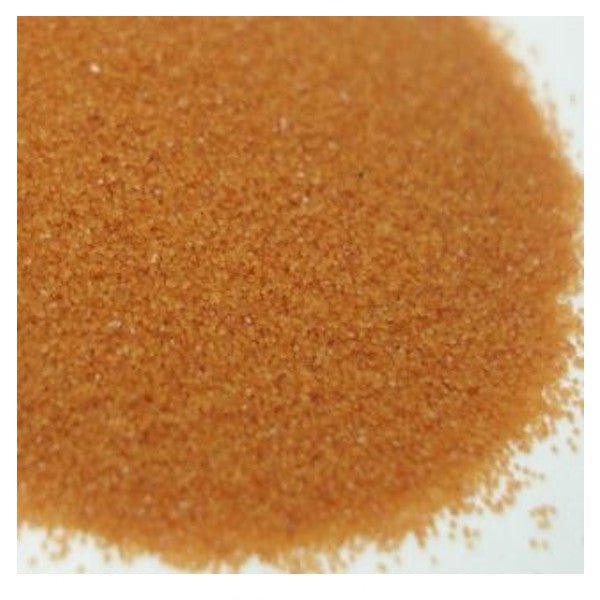
Reefphyto Decapsulated Brine Shrimp Eggs are Artemia cysts with the outer chorion removed, delivering a minimum of 56.8% protein and 14.9% fat at 541.7 calories per 100 grams. For fry and juvenile fish, briefly rehydrate a small quantity in freshwater before feeding, the rehydration softens the egg and makes it more easily consumed by small mouths. Adult fish can be fed directly without rehydration. A little goes a long way: these are concentrated and dense, and overfeeding raises organic load quickly. Not suitable for hatching. Available in 20g, 40g, 60g, and 100g.
Small fry that struggled to consume enough nutrition from nauplii alone take to rehydrated decapsulated eggs readily, and the higher intact protein and fat content per egg supports the rapid growth that juvenile fish require in their first weeks. Adult fish fed decapsulated eggs as a supplement to their regular diet receive a high-protein, high-fat input in a convenient dry form that stores easily between feeds.
Reefphyto has supplied brine shrimp products to marine fish breeders and reef keepers across the UK since 2008. If you are running a breeding programme and want guidance on combining decapsulated eggs with live nauplii and enrichment for a complete larval nutrition plan, contact us. Darren responds personally.
All the nutrition. None of the waiting.
Decapsulated Eggs Versus Hatched Nauplii - Understanding the Difference
Standard brine shrimp eggs, Artemia cysts, are used in two fundamentally different ways in marine fish keeping and breeding, and the two products serve genuinely different purposes.
Eggs with intact shells, like the Reefphyto 90% hatch rate brine shrimp eggs, are designed for hatching into live nauplii. The nauplii are then fed to fish as a moving, live prey item that stimulates natural hunting behaviour. The hatching process takes 18 to 24 hours, requires a hatching cone or vessel, and produces nauplii that can then be gut-loaded or enriched before feeding.
Decapsulated eggs are not for hatching. The outer chorion, the hard shell of the Artemia cyst, has been chemically removed, leaving the inner cyst intact. This inner cyst cannot be hatched but can be fed directly to fish after brief rehydration. The removal of the shell serves two purposes: it eliminates the choking risk that the hard outer shell poses to small fry, and it removes the energy expenditure of the hatching process, preserving the full yolk nutrient content in the egg.
This is the key nutritional distinction. A freshly hatched nauplius has consumed a portion of its yolk sac to power the hatching and emergence process. The energy and nutrients in that portion are gone. A decapsulated egg that has not undergone hatching retains the complete yolk nutrient profile, making it a denser nutritional package per unit than the equivalent hatched nauplius.
Nutritional Profile
The confirmed nutritional analysis makes the density of these eggs clear. Protein content of no less than 56.8 percent is higher than most prepared marine fish foods and comparable to the protein content of fresh marine prey. Fat content of no less than 14.9 percent provides the lipid energy that supports the rapid growth rates required in juvenile fish during their early development. Energy content of 541.7 calories per 100 grams reflects the concentrated nature of the product, a small quantity delivers significant nutritional input.
Essential amino acids, lipids, and enzymes are preserved through the decapsulation process. The chemical removal of the outer shell does not affect the nutritional integrity of the inner cyst content, which is why decapsulated eggs are used extensively in professional marine fish hatcheries and freshwater breeding operations where maximising nutritional delivery per gram of food is a practical concern.
The ash content is limited to a maximum of 5 percent, which reflects a low mineral content relative to the protein and fat fractions, this is a high-value food rather than a filler.
How to Use Decapsulated Brine Shrimp Eggs
For fry and juvenile fish, the rehydration step is important. Briefly placing a small quantity of decapsulated eggs in freshwater for two to five minutes softens the outer surface of the cyst and increases its size slightly, making it more easily consumed by small fish with limited mouth gape. The rehydration also makes the eggs slightly neutrally buoyant in the water column, distributing them more evenly where fry are feeding rather than having them sink directly to the substrate.
After rehydration, introduce the eggs into the rearing vessel or aquarium. The quantity should be calibrated to what the fry can consume within a short feeding window, fifteen to thirty minutes is a reasonable target. Uneaten rehydrated eggs will begin to degrade in the water column and should not be left to accumulate, as this raises organic load and water quality in the rearing vessel.
For adult fish, rehydration is optional. Many adult marine fish will take dry decapsulated eggs directly, particularly once they recognise them as a food source. Adding them to a high-flow area of the tank distributes them through the water column where fish can intercept them actively. Alternatively, briefly moistening a small quantity before adding to the tank makes them slightly heavier and keeps them in the feeding zone for longer before they sink.
Applications in Marine Fish Breeding
For breeders running larval rearing programmes, decapsulated eggs fill a specific role alongside live rotifers and hatched nauplii rather than replacing either.
In the earliest larval stages, typically days one to ten depending on species, the larval mouth gape and digestive capacity are the limiting factors for what can be consumed. Rotifers at 90 to 360 microns are the appropriate first-feed for most marine fish larvae. Decapsulated eggs, even rehydrated, are generally too large for very early larvae in species like clownfish and dottybacks and are more appropriate as a supplement once larvae have grown through the first week and are transitioning to larger food items.
For juvenile fish from approximately two to three weeks onward, rehydrated decapsulated eggs provide a highly nutritious, easily prepared supplement that can be fed multiple times daily alongside live nauplii or frozen food without the time constraint of a hatching cycle. Their high protein content supports the rapid growth phase that juvenile marine fish pass through as they develop from larvae to recognisable juveniles.
For freshwater breeders using brine shrimp as a fry food, livebearers, cichlids, killifish, and similar species, decapsulated eggs are often preferable to live nauplii because they are easier to prepare, can be fed immediately, and do not introduce any risk of live organisms surviving in the tank and competing with the fry.
Comparison With Standard Brine Shrimp Eggs
The two brine shrimp egg products in the Reefphyto range serve genuinely different needs and the choice between them depends on the application.
Standard brine shrimp eggs with a 90 percent hatch rate are the right choice when live, moving nauplii are needed for triggering the hunting response in fish that need to see movement before they will feed, for gut-loading with Brine Shrimp Feed before adding to the tank, and for breeders who want the flexibility to raise nauplii through to adult brine shrimp over two weeks.
Decapsulated eggs are the right choice when immediate, no-preparation nutrition is needed, when fry mouth gape is too small for live nauplii safely, when the hard outer shell of standard cysts poses a risk to small fish, and when the convenience of a dry product that stores easily and feeds without a hatching step is more practical than running a hatching cone.
Many breeders use both: hatched nauplii as the primary live first-feed for early larvae, and decapsulated eggs as a supplementary food for juveniles and adult fish in the same programme, providing nutritional variety and convenience alongside the live food.
Storage and Practical Notes
Decapsulated brine shrimp eggs are a dry product stored at room temperature out of direct light. Their shelf life is considerably longer than live or refrigerated products, making them a practical stock item for breeders who want a reliable nutritional option available at all times without the management overhead of a live culture.
These eggs are not suitable for hatching. The decapsulation process renders them non-viable for producing live nauplii. If hatching is the goal, the Reefphyto 90% hatch rate brine shrimp eggs are the appropriate product.
H2: Frequently Asked Questions
How do decapsulated eggs compare to frozen brine shrimp?
Decapsulated eggs are a dry product with a higher protein concentration than frozen brine shrimp, which contains a significant water fraction. The dry weight protein content of 56.8 percent reflects a more concentrated nutritional input per gram than most frozen foods. For fry and small juveniles, the particle size of rehydrated decapsulated eggs is also more appropriate than the larger size of frozen adult brine shrimp.
Can I use these for marine fish larvae from day one?
For very early larvae with small mouth gapes, clownfish, dottybacks, gobies, live rotifers remain the appropriate first-feed from day one. Decapsulated eggs, even rehydrated, are generally too large for larvae in the first week of feeding. Introduce them as the larvae grow and their mouth gape increases, typically from week two onward as a supplement alongside live nauplii.
How much should I feed at once?
A little goes a long way. Start with a very small pinch less than you think is necessary, and observe whether the fish consume it within fifteen to thirty minutes. Scale up from there rather than down. Overfeeding with any high-protein food raises ammonia and organic load rapidly, particularly in small rearing vessels.
Should I refrigerate them?
No. These are a dry product stored at room temperature. Keep the container sealed and out of direct sunlight. Unlike live cultures or refrigerated phytoplankton products, they do not require cold storage.
Reefphyto - Brine Shrimp Nutrition from Wales Since 2008
Reefphyto has been supplying brine shrimp eggs, feeds, and enrichment products to marine fish breeders and reef keepers across the UK since 2008. If you want guidance on building a complete brine shrimp feeding programme combining decapsulated eggs, hatching eggs, feed, and enrichment, contact us directly. Darren responds personally to every enquiry.

 Roll over image to zoom in



 Darren Wordley
18 years culturing live phytoplankton in Wales
Darren Wordley
18 years culturing live phytoplankton in Wales
 Cultured in Wales, shipped live.