Reefphyto Algae Wafers - Sinking Wafers for Plecos and Marine Herbivores
Tangs, surgeonfish, rabbitfish and plecostomus all share one feeding characteristic that most reef and aquarium keepers underestimate: they graze. In the wild they do not chase prey. They work their way across surfaces, rasping algae and plant matter continuously throughout the day. A pellet that sinks past them or a flake that dissolves at the surface replicates none of that. These fish need food that stays put.
Without a stable, plant-forward food they can graze on at their own pace, dedicated herbivores in a mixed tank are almost always underfed relative to the faster, more competitive carnivores around them. It rarely shows up as obvious starvation. It shows up as slow colour loss, reduced grazing activity, and fish that never quite reach the condition their species is capable of.
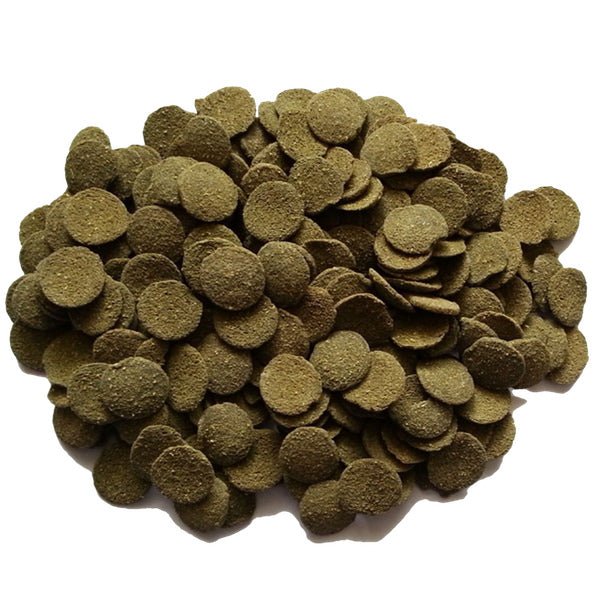
Reefphyto Algae Wafers are a complete vegetable-based diet for plecostomus, bristlenose catfish, and algae-eating fish including marine herbivores such as tangs and surgeonfish. Each wafer is pressed into a stable disc that sinks to the substrate, does not dissolve, and does not cloud the water, giving grazing fish the time to feed naturally at their own pace. At 33% protein from a predominantly plant and vegetable base, with high Vitamin C to support immunity and stress resilience, they provide balanced complete nutrition for species that evolved to eat green rather than hunt.
Drop a wafer to the substrate or press it to the aquarium glass and watch your herbivores settle into the kind of unhurried, sustained grazing behaviour that tells you they are genuinely comfortable and well fed.
Since 2008, Darren and the Reefphyto team have been helping reef keepers across the UK build feeding programmes that work for every species in the tank, not just the easy ones. If you want advice on feeding herbivores alongside a mixed community.
Feed the grazers in your tank the way they were built to eat.
H1: Reefphyto Algae Wafers -- Sinking Vegetable Wafers for Plecos, Tangs and Marine Herbivores, Wales UK
In most mixed aquariums and reef tanks, the herbivores are the last fish to get what they actually need. The carnivores and omnivores compete actively at the surface or mid-water, taking flakes and pellets quickly and confidently. The tangs, surgeonfish, plecostomus and bristlenose hang back, grazing at the edges, waiting for something that suits the way they actually feed. If that food never arrives, they make do. And making do, over weeks and months, takes a visible toll.
Reefphyto Algae Wafers are designed specifically so that does not happen.
Why Grazing Fish Need a Different Kind of Food
Herbivorous fish did not evolve to chase food through the water column. Plecostomus and bristlenose catfish graze algae from surfaces continuously throughout the day, using a specialised rasping mouth adapted for sustained contact feeding. Marine herbivores -- tangs, surgeonfish, rabbitfish -- do the same on reef surfaces in the wild, spending the majority of their active hours grazing rather than hunting.
This feeding behaviour has a direct implication for how they should be fed in captivity. A food that sinks quickly past them before they engage with it, or that dissolves and clouds the water within minutes, does not allow them to feed in the way their physiology is designed for. They need food that is stable, stays accessible, and can be grazed at their own pace.
The wafer format exists for exactly this reason. A pressed disc that sinks to the substrate and holds its shape gives grazing fish a stationary food source they can work at continuously, in the same way they would work at a patch of algae on a rock or piece of driftwood. It is a simple idea with a meaningful impact on how well herbivores actually feed in a community tank.
What Reefphyto Algae Wafers Contain
Reefphyto Algae Wafers are made predominantly from plants and vegetables, providing a complete and well-balanced diet with an essentially vegetable base. The formulation is built around the nutritional requirements of algae-eating species -- high plant matter content, a moderate protein level appropriate for herbivores, and elevated Vitamin C to support immune function and stress tolerance.
At 33% crude protein from plant and vegetable sources, the wafers provide the amino acid profile herbivorous fish are adapted to process. The 4% fat level is appropriate for species that do not require the energy density of a carnivore diet. Crude fibre at a maximum of 3% supports digestive health, and moisture is kept to a maximum of 10% for stability and shelf life.
The high Vitamin C content is a deliberate inclusion. Herbivorous fish, particularly tangs and surgeonfish, are among the reef species most susceptible to nutritional stress, and Vitamin C plays a direct role in immune function, wound repair and disease resistance. Feeding a Vitamin C-rich diet consistently is one of the most effective things a keeper can do to maintain long-term health in these species.
Analytical breakdown: crude protein minimum 33%, crude fat minimum 4%, crude fibre maximum 3%, moisture maximum 10%, ash maximum 17%, phosphorus minimum 0.8%.
How Algae Wafers Fit Into a Complete Feeding Programme
In a mixed marine reef community, Algae Wafers work alongside rather than instead of the protein-forward foods in the range. Marine Pellets and the Reefphyto flake range feed the carnivorous and omnivorous community. Algae Wafers feed the grazers. Running both in daily rotation means every species in the tank is getting the food suited to its specific dietary requirements rather than competing for whatever happens to be available.
For reef keepers also feeding live phytoplankton and copepods, Algae Wafers extend the plant-based nutrition available to herbivores beyond what liquid feeds provide, giving tangs and other grazers a sustained food source that persists on the substrate rather than dispersing through the water column.
Reefphyto Soft Algae Pellets are available for keepers who prefer a pellet format for their herbivores rather than a wafer both deliver plant-forward nutrition but the formats suit different feeding situations and species combinations.
Size Options
Algae Wafers are available in six sizes from 100g to 1000g, suitable for everything from a single-species setup to a large reef system or multiple tanks. Larger sizes offer better value per gram and reduce reorder frequency for keepers feeding multiple herbivores regularly.
Frequently Asked Questions
Will algae wafers dissolve and cloud my water?
No. Reefphyto Algae Wafers are pressed into a stable disc format that holds its shape in water and does not dissolve or cloud the water column. This is one of the key practical advantages of the wafer format over flakes for bottom and substrate feeding species.
Can I use algae wafers in a marine reef tank?
Yes. They are suitable for marine herbivores including tangs, surgeonfish and rabbitfish alongside their primary use for plecostomus and other freshwater algae eaters. In a reef tank, place the wafer on the substrate away from high-flow areas to give herbivores time to graze at their own pace.How do algae wafers differ from Soft Algae Pellets?
Both are plant-forward foods for herbivorous species, but the formats suit different feeding situations. Algae Wafers are a sinking disc designed for grazing species that feed from the substrate or surfaces plecostomus, tangs, blennies. Soft Algae Pellets are a slow-sinking 1mm pellet better suited to mid-water feeders or tanks where a pellet format is preferred. The choice depends on the species you keep and how they naturally feed.
How much should I feed?
Offer one or two wafers per feeding, once or twice daily, adjusted to the number and size of the herbivores in the tank. Remove any uneaten wafer after a few hours to prevent nutrient loading. For larger herbivore populations or multiple tanks, the 500g and 1000g sizes offer the best value.
Can I press algae wafers to the aquarium glass?
Yes. The wafer can be pressed to the glass to allow observation of individual fish grazing up close. This is particularly useful for monitoring the condition and feeding behaviour of individual animals in a community tank.

 Roll over image to zoom in


 Darren Wordley
18 years culturing live phytoplankton in Wales
Darren Wordley
18 years culturing live phytoplankton in Wales
 Cultured in Wales, shipped live.